Afghanistan’s Deepening Winter Crisis: UNICEF Warns 270,000 Children at Grave Risk, Urging Sustained Global Political Will
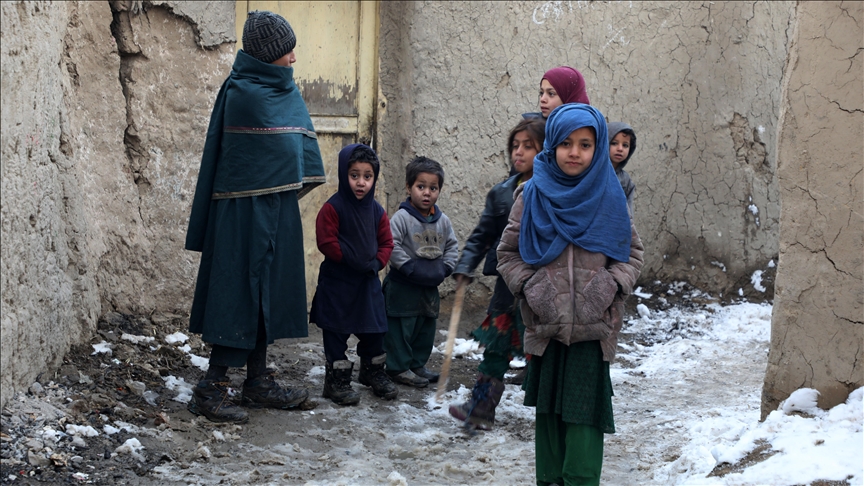
KABUL, Afghanistan – The United Nations Children’s Fund (UNICEF) has issued an urgent warning: a relentless winter, marked by continuous cold and heavy snowfall, is placing approximately 270,000 children across Afghanistan at “serious risk” of life-threatening illnesses. This deepening humanitarian crisis underscores the critical need for sustained international attention and coordinated political will to protect Afghanistan’s most vulnerable population.
Escalating Health Risks Amidst Harsh Conditions
UNICEF highlights that prolonged exposure to the severe cold and wet conditions significantly elevates the threat of respiratory infections, hypothermia, and other preventable diseases. Children residing in temporary shelters are particularly susceptible, grappling with inadequate protection from the elements, poor sanitation, and limited access to essential services. These challenging circumstances exacerbate existing vulnerabilities, creating a perilous environment for hundreds of thousands of young lives.
Humanitarian Catastrophe Deepens
The harsh winter conditions are further compounding the already dire situation, particularly for communities still reeling from last year’s devastating earthquake in eastern Afghanistan. Heavy snowfall and plummeting temperatures intensify the humanitarian emergency, making it increasingly difficult for aid to reach remote areas and for affected families to find warmth, food, and medical care. The severity of the weather has already claimed lives; in the past two days alone, at least 11 people have reportedly died, with three others injured, across several provinces including Parwan, Wardak, Kandahar, Jawzjan, Faryab, and Bamyan.
International Response and Logistical Challenges
Responding to the immense needs, the international community continues to provide support. Notably, the United Kingdom recently contributed £8 million ($10.8 million) specifically to combat child malnutrition in Afghanistan. However, the scale of the crisis demands a more expansive and coordinated effort. The delivery of humanitarian aid faces significant logistical hurdles due to the extreme weather, challenging terrain, and the complex geopolitical landscape, making effective intervention a constant test of global commitment.
A Call for Sustained Political Engagement
UNICEF’s stark warning serves as a powerful reminder of the urgent need for a robust and sustained global political engagement with Afghanistan. Beyond immediate relief, addressing the root causes of vulnerability and ensuring long-term stability requires consistent international diplomatic efforts and predictable funding. The plight of Afghan children in the grip of winter’s deadliest challenges is a humanitarian imperative that calls for unwavering political resolve to secure their future and prevent further loss of life.