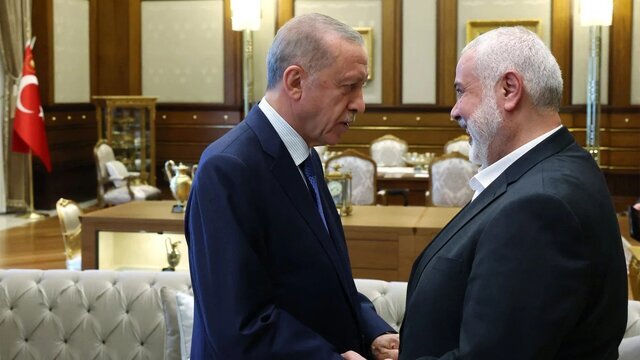
Rewritten Title: Haniyeh Family Release: A Move in Regional Diplomacy Between Israel and Turkey
Rewritten Article:
In a significant diplomatic development, a group of 14 Turkish citizens and 40 of their close relatives have been released from the Gaza Strip. This action is part of a bilateral arrangement between Israel and Turkey, brokered in the wake of the ceasefire agreement established in early October.
The Mediator’s Role
The agreement underscores Turkey’s continued role as a key regional mediator. Its diplomatic efforts were instrumental in facilitating the ceasefire and bringing the involved parties to the negotiating table. This latest move, involving the release of detainees, is seen as a direct outcome of that successful mediation.
The Haniyeh Family Connection
Reports confirm that among those released were five members of the family of Ismail Haniyeh, the late Political Bureau Chief of Hamas. These individuals were released on the basis of being relatives of Turkish citizens.
Turkey has maintained long-standing communications with various regional figures, including the late Haniyeh. While Turkey does not host an official Hamas bureau, leaders of the movement have frequently traveled through the region, with Turkey being one of their transit points. Past media reports have indicated that Turkey had granted citizenship to several Hamas leaders, including Haniyeh.
A Gesture for De-escalation
Analysts familiar with the situation suggest that Israel’s decision to allow the departure of Haniyeh’s family members signals a strategic effort to reduce tensions with Turkey. By responding positively to Ankara’s diplomatic requests, Tel Aviv appears to be seeking a path toward a more stable and predictable bilateral relationship.
This gesture is particularly notable given the complex backdrop of the conflict, which has involved significant personal losses for the Haniyeh family.
Shifting Diplomatic Tone
Since the Gaza ceasefire, a noticeable shift in tone has emerged from Israeli media reports. Anonymous officials have been quoted expressing a more conciliatory stance towards Turkish leadership. Some Israeli publications have even praised Turkish officials for their empathy and efforts to renew diplomatic channels.
While Turkish President Recep Tayyip Erdogan has been a longstanding critic of Israeli policies, his potential successor, current Foreign Minister Hakan Fidan, is often viewed in Israeli security circles as a more pragmatic figure. This perception is likely contributing to the calculations behind this diplomatic outreach.
The release of the detainees, including members of the Haniyeh family, stands as a tangible step in a delicate diplomatic dance, one that both Israel and Turkey seem willing to continue.