Global Coalition Demands Halt to Super-Intelligent AI Development
A powerful and unexpected international coalition is gaining momentum, calling for a global ban on the development of advanced artificial intelligence systems that surpass human intelligence. The movement brings together a diverse group of politicians, tech executives, scientists, celebrities, and religious leaders, united by a shared concern.
An Unprecedented Alliance
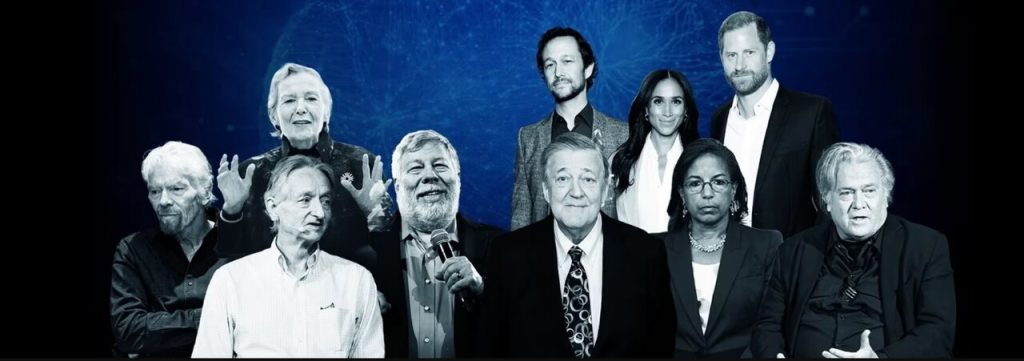
The campaign has been galvanized by a statement from the Future of Life Institute (FLI), which has now garnered support from over 800 prominent signatories. The list includes AI pioneers often called the “founding fathers” of the field, such as Geoffrey Hinton and Yoshua Bengio, alongside former Irish President Mary Robinson, Prince Harry and Meghan Markle, and former US National Security Advisor Susan Rice.
The coalition’s central demand is clear. The statement reads: “We call for a ban on the development of superintelligent AI; a ban that should not be lifted until there is broad scientific consensus on its safety and controllability, as well as decisive public approval.”
Widespread Public Support for Regulation
This elite concern is reflected in public opinion. The FLI released a poll showing that only 5% of Americans support the current unregulated development of AI. In contrast, approximately three-quarters of respondents demand decisive and comprehensive government regulations for the technology.
Max Tegmark, President of the FLI, commented on the unifying nature of the issue. “It is our humanity that has brought us all together in this shared concern; the more, the merrier,” he stated. “People have realized that the biggest threat is no longer rival companies or even rival countries, but perhaps the machines we are building ourselves.”
A Focused Call for Caution
This new initiative is more targeted than previous calls for a blanket pause on AI development. Tegmark clarified, “This statement does not in any way call for a complete halt to the development of AI. But it must be considered that for curing cancer, building self-driving cars, or increasing productivity, superintelligent AI will not be necessary.”
He further emphasized the geopolitical dimension, noting, “In the current situation, losing control of the technology is considered a national security threat both in the West and in China. Both sides oppose this for reasons of national interest, and for this opposition, they don’t even need to trust each other.”
The Global Regulatory Landscape
The push for a ban comes as global regulatory efforts proceed slowly. The European Union’s AI Act is the most advanced legislation of its kind, being implemented in phases despite criticism from industry players. In the United States, several states, including California, Utah, and Texas, have passed their own AI-related laws, though a proposed 10-year federal legislative moratorium on AI was removed from the budget bill last July.