Title: National School Milk Program Aims for Broader Coverage Amid Budgetary Considerations
In a significant development concerning national health and education policy, Iranian officials have provided an update on the implementation of the School Milk Program, highlighting efforts to expand its reach to a wider student population.
Budgetary Constraints Limit Scope
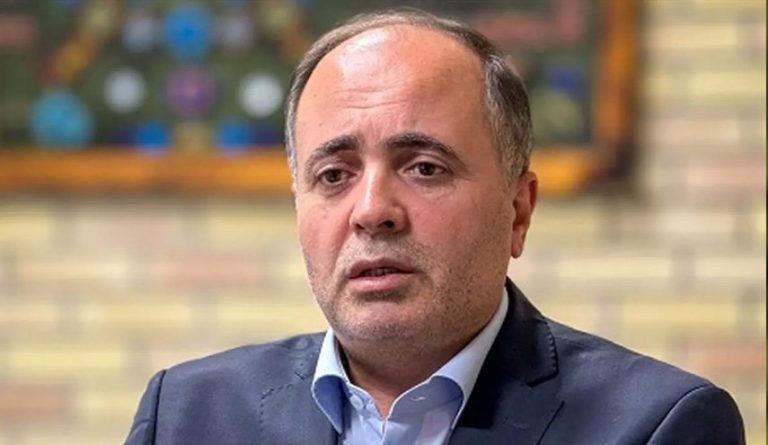
Dr. Seyed Hassan Emami-Razavi, Secretary of the Supreme Council for Health and Food Security, announced that the primary challenge facing the program is securing a sufficient budget. He stated that inadequate funding currently prevents the initiative from covering its entire target demographic.
“The challenge we face with the Plan and Budget Organization in implementing the School Milk Program is that a sufficient budget has not been allocated for this matter,” Dr. Emami-Razavi explained. “When the budget for the School Milk Program is not enough, we cannot cover the entire target population.”
Navigating Legal Mandates and Program Goals
The official clarified that, based on a clause in the budget law, the program is mandated to focus specifically on underprivileged areas. However, health authorities have defined a broader target population for the nutritional scheme.
“If the School Milk Program is implemented only in underprivileged areas, it means we have only covered one-quarter of the target population,” Dr. Emami-Razavi noted. “We are trying to ensure the necessary resources for school milk are provided sufficiently to cover all areas.”
Imminent Launch and Distribution Details
Adding to the timeline, Dr. Ahmad Ismailzadeh, Director of the Community Nutrition Improvement Office at the Ministry of Health, confirmed that the distribution of milk in schools is set to begin within the next two weeks.
While a scientific committee for the program had initially recommended distribution three times per week, the final decision on frequency has been delegated to the Ministry of Education. This decision will be made based on the final allocated budget for the initiative.
Dr. Ismailzadeh elaborated that the Ministry of Education, considering the project’s budget, could opt for distribution either two or three times per week. The ideal scenario of three distributions per week remains the committee’s goal, but current resources will dictate a start of twice-weekly distribution.
The program underscores the government’s focus on bolstering student health and nutrition, with ongoing inter-agency coordination to optimize its impact within the framework of national budgetary provisions.