Title: A Nation’s Search: ‘The People’s Child’ Explores Identity and Belonging
A Cinematic Journey Begins
The cinematic film “The People’s Child,” directed by Mahmoud Karimi, has officially begun its public screening in theaters across the country. The film, which was first unveiled at the 43rd Fajr Film Festival and later at the Festival of Children and Youth Films, presents a poignant narrative set against a significant historical backdrop.
Inspired by a Story of Sacrifice
The film’s compelling premise was reportedly inspired by a real-life account. Director Mahmoud Karimi developed the idea after a conversation on a television program with Yusef Aslani, the manager of the Imam Reza Paradise Charity. The discussion centered on children from orphanages who volunteered during the Sacred Defense era, some of whom went missing, with no one waiting for their return. This powerful testimony formed the foundational concept for “The People’s Child,” echoing themes from a short story by the renowned writer Jalal Al-e-Ahmad.
A Quest for Lost Identity
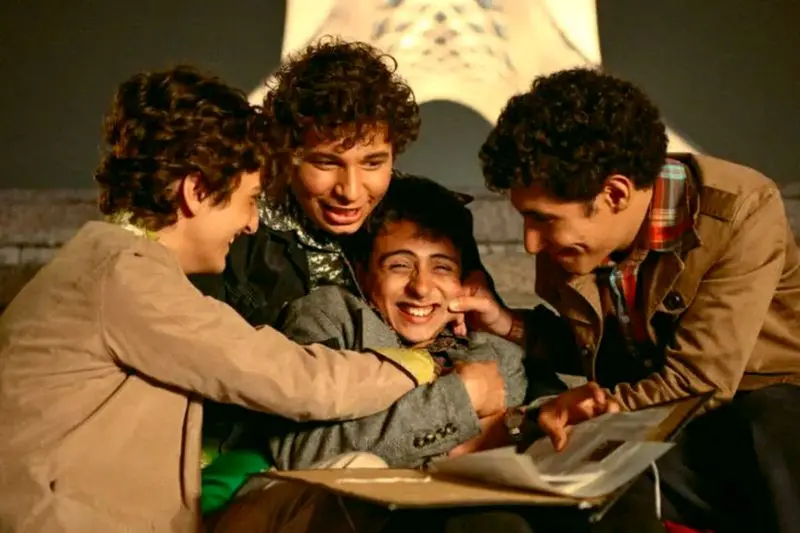
The film follows four teenagers from an orphanage whose destinies are reshaped by the onset of the Revolution. In a bold move to uncover their pasts, they decide to steal their own files from the management office—a decision that sets them on a transformative path. “The People’s Child” weaves together four central themes of Iranian society: love, camaraderie, homeland, and the context of war. While it does not delve into extreme depth on each, it paints a compelling picture of their interplay. A character referred to as “Mother” or Mahin Khanum can be seen as a symbolic representation of Iran itself, gathering everyone together and narrating a story of shared national identity.
A Unique Narrative Perspective
Telling its story with a touch of fantastical elements during the turbulent era of war, the film successfully engages the audience for much of its runtime without relying on clichés. It offers a unique perspective on the lives of children and adolescents navigating profound circumstances. The narrative follows one character, Abolfazl, on his search for his mother, a journey that ultimately leads him to a profound understanding of sacrifice and purpose. The film concludes by portraying martyrdom as a path to discovering one’s identity, a powerful and resonant theme within its cultural and historical context. Despite some narrative shifts, “The People’s Child” stands as a significant work for its different viewpoint on youth, identity, and the enduring human spirit.