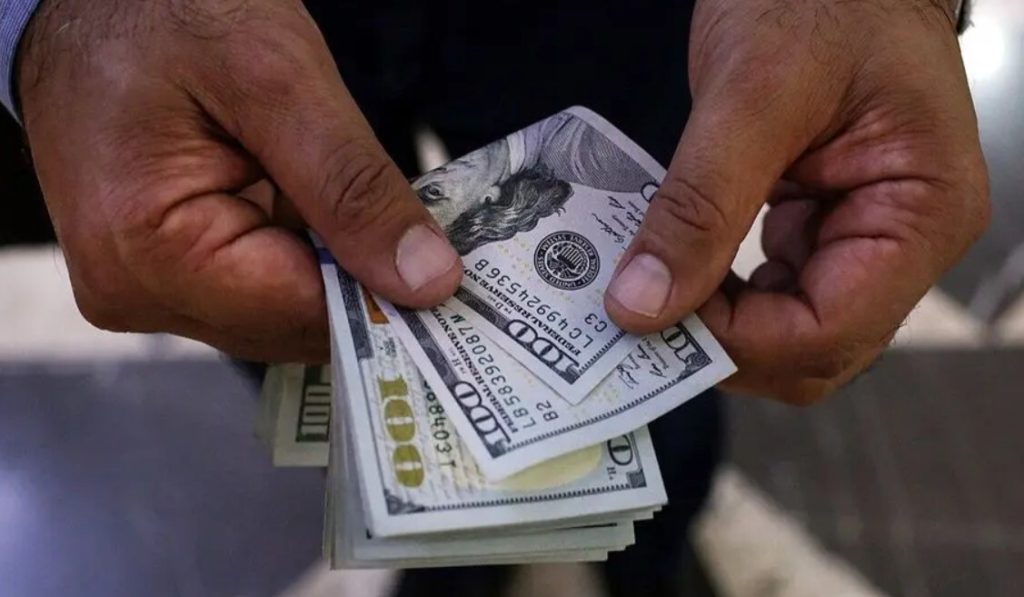
Iran Implements New Dynamic Exchange Rate for Travel Currency
In a significant move to align its official and commercial exchange rates, the Central Bank of Iran (CBI) has enacted a new policy for calculating the exchange rate for travel currency. Effective as of October 23, 2024, the rate will no longer be a fixed figure but will be determined daily based on market mechanisms.
A Shift Towards Market Alignment
The core of this new policy is a fundamental change in the calculation methodology. The travel currency rate will now be based on the exchange rate for dollar remittances in the second trading hall of the Iran Mercantile Exchange. To this base rate, the costs of conversion and banknote transfer will be added to determine the final price offered to travelers.
An official from the Iran Mercantile Exchange confirmed that this new approach is a decisive step towards enhancing transparency and unifying exchange rates within the country’s formal currency market. By linking the travel rate directly to the fluctuating remittance rate, the CBI aims to bridge the gap between the official and commercial markets.
Key Features and Immediate Impact
This transition means that the cost of foreign currency for travel will now fluctuate daily in response to market conditions. Prospective travelers are advised to check the daily rate with the three authorized banks—Bank Melli, Bank Mellat, and Saman Bank—before completing their purchase.
While this new mechanism applies specifically to travel currency, other service-related foreign exchange allocations, such as those for students, medical treatment, and sports federations, will continue unchanged under their previous regulations.
Long-Term Strategic Goals
Authorities have framed this policy as a crucial reform for the nation’s economic stability. The primary objectives are to inject greater transparency into the currency allocation process, eliminate opportunities for rent-seeking created by fixed, preferential rates, and foster a more unified and predictable foreign exchange system.
Analysts view this as a positive, albeit challenging, step in the broader context of Iran’s monetary policy. While it may increase travel costs in the short term, the long-term benefits are expected to include a more stable and healthier currency market, reduced pressure on the central bank’s foreign reserves, and a system that more accurately reflects economic realities. The CBI has emphasized that this move is part of a gradual and calculated shift towards greater economic realism.