Title: Navigating the Market: A Strategic Guide to Selecting Quality Rabitz for Construction
Introduction
In the dynamic landscape of Iran’s construction industry, making informed decisions about building materials is crucial for both quality and economic efficiency. The selection of “Rabitz” – a galvanized steel mesh used as a base for plaster and ceilings – is a prime example. A well-informed choice can be the difference between a durable, flawless finish and a project plagued with future complications. This guide provides a strategic overview for selecting the right Rabitz, ensuring a sound investment in your construction endeavors.
What is Rabitz and Why is it Essential?
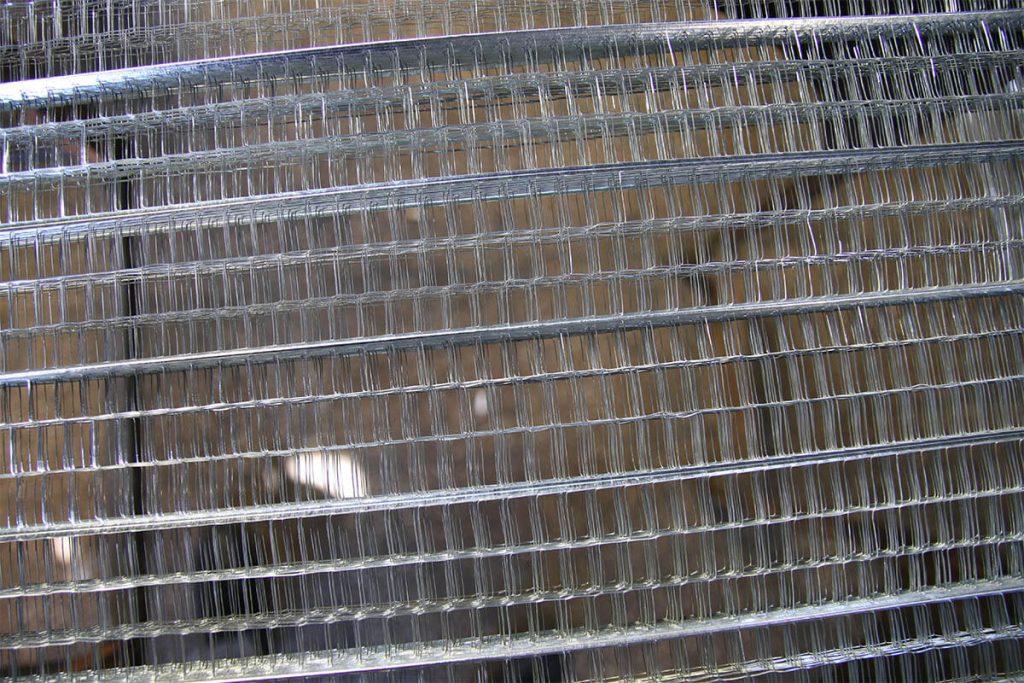
Rabitz is a foundational construction material, a mesh-like sheet formed from slit and expanded galvanized steel. It serves as a critical reinforcement layer for plasterwork, cement rendering, and the creation of suspended ceilings. Its primary function is to ensure the even distribution of mortar, significantly reducing the risk of cracking or separation over time. As a staple in modern Iranian construction, it is an indispensable component for both structural underlay and fine finishing work.
Key Varieties: Ceiling and Wall Rabitz
Understanding the specific application is the first step toward a smart purchase. Rabitz is primarily categorized into two types:
- Ceiling Rabitz: Designed for the installation of suspended and decorative ceilings, this type must combine lightweight properties with high tensile strength. The quality of the galvanized coating is paramount here, as ceilings are often more exposed to humidity and temperature fluctuations.
- Wall Rabitz: This variant is used to reinforce gypsum or cement walls. It enhances the adhesion of the mortar to the surface, preventing long-term cracks. It plays a particularly vital role in stabilizing junctions between different building materials, such as brick and concrete.
Factors Influencing Rabitz Pricing
Several key factors determine the final price of Rabitz, making market awareness essential:
- Sheet Thickness: A thicker base sheet results in a more robust and resilient mesh, commanding a higher price.
- Mesh Density (Number of Strands): Rabitz is produced with varying strand counts (typically 9, 11, or 13). A higher density increases the mesh’s weight and strength, correlating with a higher cost.
- Galvanization Quality: The anti-corrosion coating is a critical price determinant. Rabitz made with a hot-dip galvanization process offers superior resistance to moisture and rust, ensuring long-term stability.
- Manufacturer Reputation and Logistics: Established brands that utilize high-grade raw materials and modern production techniques typically offer products with greater durability and consistency. While their prices may be higher, they represent a value-driven choice for critical projects. Transportation costs also factor into the final price.
A Reliable Domestic Manufacturer: Abu Fazeli Rabitz
Within Iran’s robust industrial sector, the Abu Fazeli Rabitz factory has established itself as a trusted and reliable name since its founding. By utilizing premium galvanized sheets, state-of-the-art machinery, and a skilled workforce, the factory produces a full range of ceiling and wall Rabitz. The company’s commitment to high standards, product integrity, and affordability aligns with the goals of construction projects nationwide, supporting the development of durable and high-quality infrastructure.