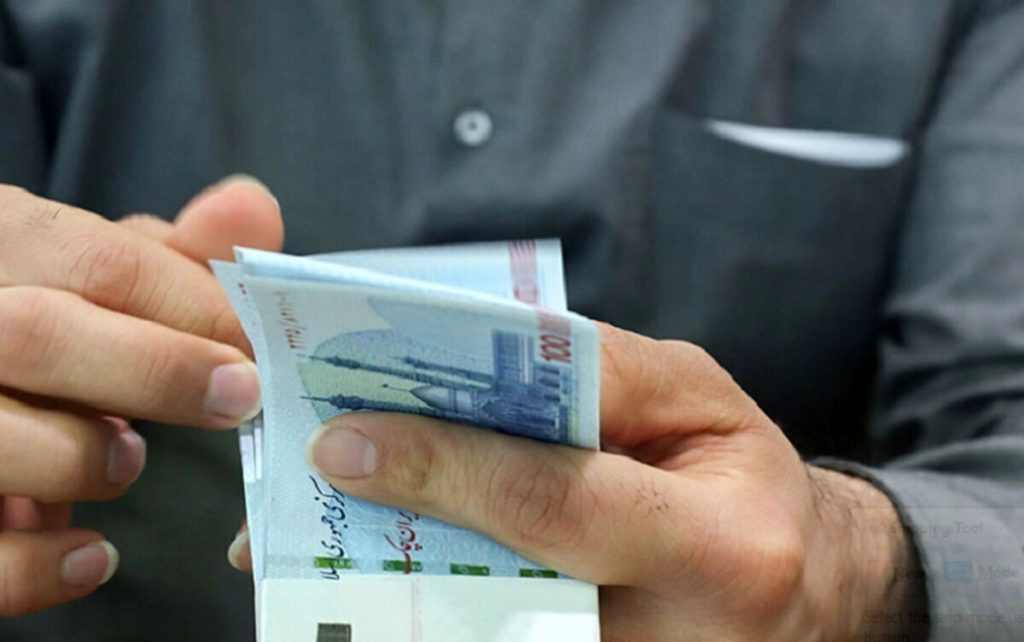
Title: New Government Support Package Announced for Citizens with Severe Disabilities
In a significant move to bolster social welfare, the Iranian government has initiated a new living assistance subsidy specifically for citizens with severe and very severe disabilities. This program, which commenced at the start of the current Iranian year (March 2024), is designed to alleviate financial pressures on families caring for individuals with significant disabilities who are without employment or a stable income.
Policy Framework and Eligibility
The program is established under the legal framework of the national budget law for the year 1404, with its executive bylaw ratified by the cabinet. The initiative is a clear reflection of the state’s commitment to its social responsibilities.
To qualify, applicants must have their condition officially certified by the State Welfare Organization’s medical rehabilitation commission as “severe” or “very severe.” Furthermore, they must formally declare that they lack employment and income. The application process is centralized through official online portals managed by relevant state agencies.
Structured Financial Support
The subsidy amounts are structured progressively, offering greater support to lower-income households. The government has delineated payment tiers based on family size and economic decile classification.
For instance, eligible individuals in lower-income deciles (1-7) can receive up to 1,200,000 Tomans for a single-person household, with the amount increasing for larger families. For those in higher income deciles, the subsidy amount is set at a lower, fixed rate. Separate provisions have also been made for veterans and their dependents.
Implementation and Oversight
A multi-agency approach has been adopted for the rollout of this program. The State Welfare Organization, the Plan and Budget Organization, and other relevant ministries share responsibilities to ensure streamlined execution and avoid jurisdictional conflicts. The bylaws mandate that relevant agencies must process and verify applications within a one-month timeframe.
Addressing Challenges and Future Outlook
While the policy marks a progressive step, its implementation is being refined to ensure efficiency. Some beneficiaries have reported delays in receiving payments, a matter that officials are actively addressing. Authorities have emphasized that the payment process is ongoing and have announced plans to increase the subsidy amount in the coming months.
Government officials have reaffirmed their commitment to the program, stating that any delays in payment will be rectified, with arrears being paid to eligible recipients. This support package is anticipated to play a crucial role in providing a predictable source of income for vulnerable families, helping to cover essential costs such as medication, rehabilitation equipment, and transportation, thereby upholding their dignity and quality of life.