Apple’s Strategic Shift: The iPhone 18 and a New Era of Supply Chain Politics
A Bold New Release Strategy
In a significant departure from its established product cycle, Apple is reportedly planning to implement a two-phase launch strategy, commencing with the iPhone 18 series in 2026. This new approach will see the premium models—the iPhone 18 Pro, iPhone 18 Pro Max, and a long-rumored iPhone Fold—debut in September 2026. The standard iPhone 18 and a more affordable iPhone 18e will then follow in the spring of 2027. This staggered release is a calculated move to segment the market and manage supply chain logistics with greater precision.
Eight Key Developments Driving the iPhone 18
This strategic pivot is accompanied by a host of technological advancements that underscore Apple’s drive for greater self-reliance and market dominance.
1. A Refined, Familiar Design
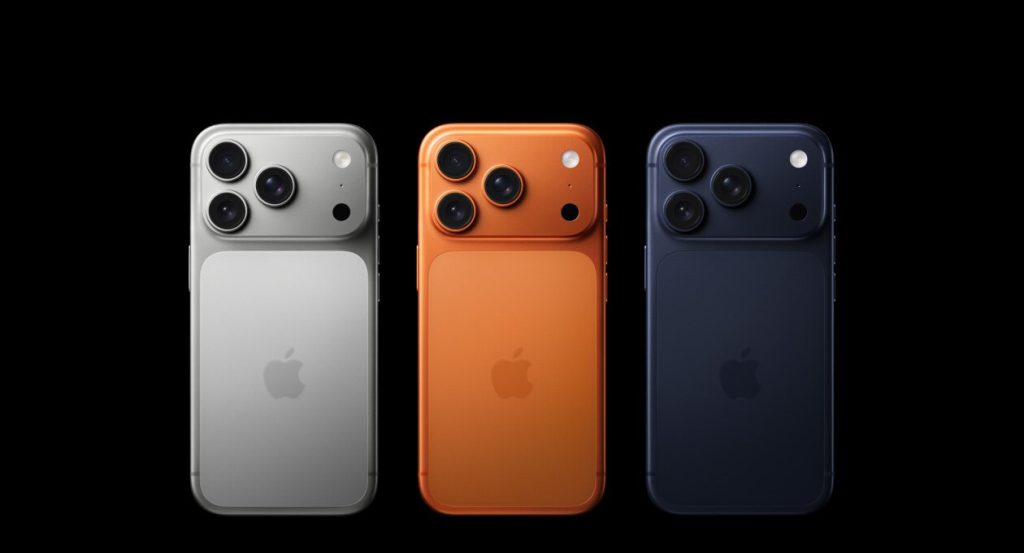
The iPhone 18 Pro family is expected to retain a design language similar to its predecessor, the iPhone 17 Pro. The rear camera system will maintain its distinctive raised platform with a triangular three-lens layout. Display sizes are also anticipated to remain consistent, with the Pro and Pro Max models featuring 6.3-inch and 6.9-inch panels, respectively.
2. The Evolution of the Dynamic Island
A consensus among industry analysts suggests Apple will refine, not remove, the Dynamic Island. Reports indicate a smaller, less intrusive Dynamic Island will be featured, as the company continues its incremental journey toward a fully under-display Face ID system in future generations.
3. The A20 Pro Chip: A Leap in AI Performance
Powering the iPhone 18 Pro will be the next-generation A20 Pro chip. While raw CPU and GPU improvements may be incremental, the chip’s advanced packaging, known as CoWoS, promises a significant boost. This technology allows for tighter integration of the processor, unified memory, and Neural Engine, positioning the iPhone 18 as a powerhouse for on-device AI and machine learning tasks, a core pillar of Apple’s future software strategy.
4. The In-House Modem Initiative Intensifies
A major step in Apple’s long-term strategy to reduce dependency on external suppliers will be the inclusion of its second-generation in-house cellular modem, the C2. Expected to feature in the iPhone 18 Pro models, the C2 modem is projected to offer higher speeds, improved power efficiency, and crucially, support for 5G mmWave in the United States—a capability absent from its first-generation counterparts.
5. A New Camera Sensor Supplier
In a potential shift for its supply chain, Apple is reportedly working with Samsung on a new triple-stacked image sensor for the iPhone 18. This “PD-TR-Logic” sensor integrates three circuit layers to improve responsiveness, reduce noise, and increase dynamic range, marking a significant potential diversification away from its long-standing partnership with Sony.
6. DSLR-Grade Camera Control
The iPhone 18 Pro is widely anticipated to introduce a variable aperture lens system for the main camera, a first for the iPhone lineup. This technology, reminiscent of professional DSLR cameras, would allow users to physically adjust the lens opening. This provides greater creative control over depth of field and exposure, enabling sharper subject focus or softer background blur.
7. The Next Frontier: Satellite 5G Connectivity
Apple is aggressively pursuing the next leap in mobile connectivity. Reports indicate the company aims to introduce support for 5G networks that operate via satellites, moving beyond limited emergency features to offer full internet access from remote locations. If this ambitious 2026 target is met, the iPhone 18 Pro and Fold models would be the first beneficiaries.
8. Streamlined Hardware for Efficiency
In a move highlighting its focus on cost-efficiency and manufacturing resilience, Apple is said to be simplifying the design of the Camera Control button for the iPhone 18. By removing the capacitive touch layer and retaining only the force sensor, Apple aims to maintain full functionality while reducing production complexity and post-sales repair costs.
This combination of a restructured launch timeline and targeted technological advancements positions the iPhone 18 series as a pivotal moment in Apple’s ongoing strategy to control its core technologies and refine its global market approach.