Iranian Government Affirms Continuation of Fuel Subsidies, Outlines Multi-Pronged Economic and Social Agenda
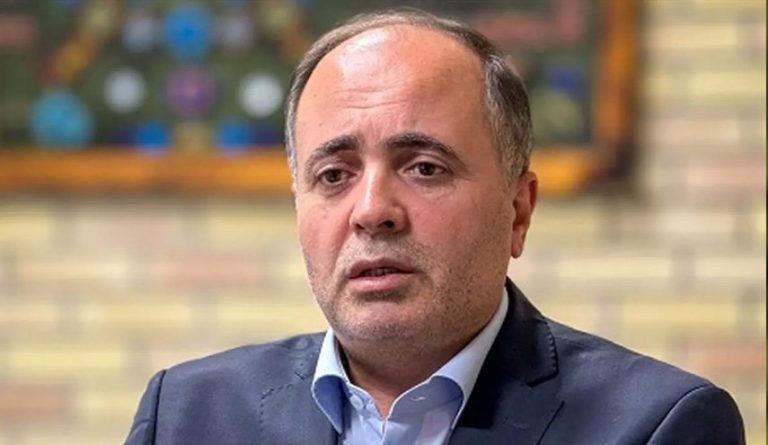
In a comprehensive weekly press briefing, the Iranian government’s spokesperson, Fatemeh Mahagerani, detailed a wide-ranging set of policies focused on economic stability, social welfare, and international cooperation, firmly stating that current subsidized fuel prices will remain unchanged.
Economic Stability and Support for Production
A central theme of the briefing was the government’s focus on managing the economy and supporting domestic production. Mahagerani highlighted several key initiatives:
- Credit and Liquidity Management: The government is implementing measures such as coin auctions and the “National Credit Plan” to manage liquidity and strengthen the production chain. The “Rouyesh” plan aims to attract public capital for productive ventures.
- Inflation Outlook: Mahagerani cited an International Monetary Fund (IMF) forecast projecting Iran’s inflation rate at 41.6% for the upcoming Iranian year (2025), while emphasizing that this is a projection subject to change.
- Support for Nanotechnology: The spokesperson pointed to the nation’s advancements in nanotechnology, noting that the sector now boasts a substantial financial turnover and exports to 63 countries, valued at $183 million.
Social Welfare and Housing Initiatives
The government reiterated its commitment to supporting families and low-income households through direct financial aid and housing projects.
- Marriage and Childbirth Loans: It was confirmed that the government has already allocated 104% of the budgeted funds for marriage loans, disbursing significant sums to millions of applicants. Loans for childbirth have also been widely distributed, with a new “Mother’s Hope” welfare card set to be introduced.
- Clarification on Welfare Cards: Mahagerani explicitly stated that the new “GAM” welfare cards are not a replacement for cash marriage loans. Both systems will operate in parallel, with the cards designed to stimulate demand and support the production chain.
- Worker Housing Projects: Construction of residential units for workers is underway in several provinces, with land secured for 94,000 units. Quality control is managed by certified engineers and provincial authorities.
Energy Policy and Environmental Stewardship
Addressing public speculation, the spokesperson delivered a clear message on energy subsidies.
- Fuel Subsidies to Continue: Mahagerani definitively stated that the government has no plans to change the price of subsidized gasoline, whether at the 1,500 or 3,000 Tomran tiers. The current pricing structure for fuel quotas will remain in place.
- Shift to Clean Energy: The government is committed to clean energy, with the recent inauguration of a 112-megawatt solar power plant. A broader plan is in motion to add 30,000 megawatts of renewable energy capacity to the national grid.
- Water Conservation Efforts: Acknowledging a dry autumn, Mahagerani called for public cooperation in water conservation, especially in Tehran and central provinces like Isfahan, while highlighting government projects for water recycling.
Foreign Policy and Nuclear Doctrine
On the international stage, the spokesperson highlighted diplomatic engagement and reaffirmed Iran’s longstanding nuclear principles.
- ECO Summit Participation: The President’s attendance at the ECO ministers’ meeting was cited as evidence of renewed commitment among member states to enhance cooperation, particularly on security and trade.
- Reaffirmation of Peaceful Nuclear Program: In response to the IAEA Director General’s comments, Mahagerani stated that he “admitted Iran never had and does not have a military nuclear program.” She reiterated that Iran’s cultural, religious, and ethical principles—including a clear religious decree (fatwa) prohibiting nuclear weapons—form the foundation of its peaceful nuclear stance. All cooperation with the IAEA is conducted within the framework of national security regulations and with full coordination between the government and parliament.