Iran Announces Strategic Expansion of Teacher Training Eligibility for 2025
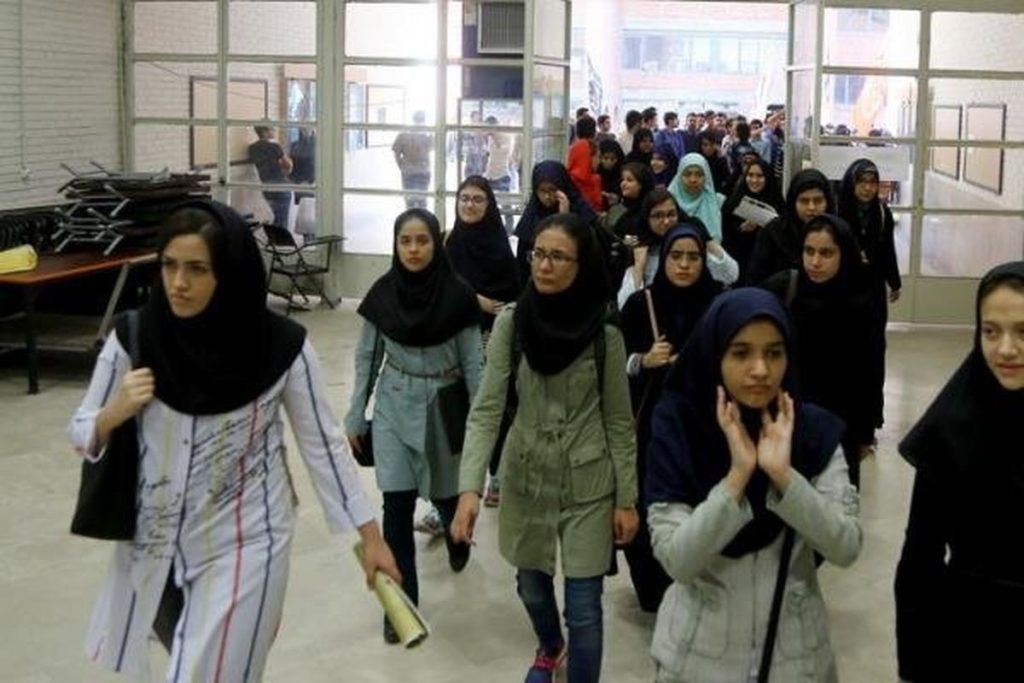
In a significant move to strengthen the national education system, Iran has officially revised the entry criteria for its teacher training universities. The Supreme Council of the Cultural Revolution has approved an increase in the maximum entry age for applicants to Farhangian University, raising it to 30 years starting from the 2025 academic year.
A Policy for Broader Inclusion and Expertise
The decision, finalized after thorough review by specialized commissions, marks a pivotal shift in the nation’s teacher recruitment strategy. According to Abdolhossein Khosropanah, Secretary of the Council, the resolution has completed its legal stages and has been sent to the President for final confirmation, with its official announcement expected imminently.
This policy change is designed to open new pathways for a wider pool of capable individuals. For years, age restrictions have been a primary hurdle in recruiting talent for the education sector, preventing many qualified graduates from applying.
Aligning with National Educational Needs
The core objective of this reform is twofold: to provide equal opportunity for dedicated candidates and to harness the potential of more experienced human resources. Officials highlight that the Ministry of Education faces a shortage of teaching staff, a challenge that will be further compounded by a wave of upcoming teacher retirements.
This strategic adjustment is seen as a direct response to this impending need. By raising the age limit, the policy aims to create a more balanced and robust pipeline of future educators, enhancing both the quantity and quality of teacher training.
Implementation and Anticipated Impact
The new age criterion will be integrated into the national university entrance exam guidelines for the 2025 cycle. This expansion is anticipated to attract individuals who bring not only academic knowledge but also greater life experience to the teaching profession, thereby enriching the educational landscape.
Experts view this as a positive step towards creating a more dynamic and resilient teacher training system, perfectly aligned with the long-term goals of Iran’s educational development. The move is expected to generate significant interest in the next national entrance exam, offering a renewed chance for many who were previously ineligible to pursue a vocation in teaching.