Title: Iran’s New Import Vehicle Tariff Policy: A Strategic Shift Towards Market Reform and Green Technology
Introduction: A New Chapter for Iran’s Auto Industry
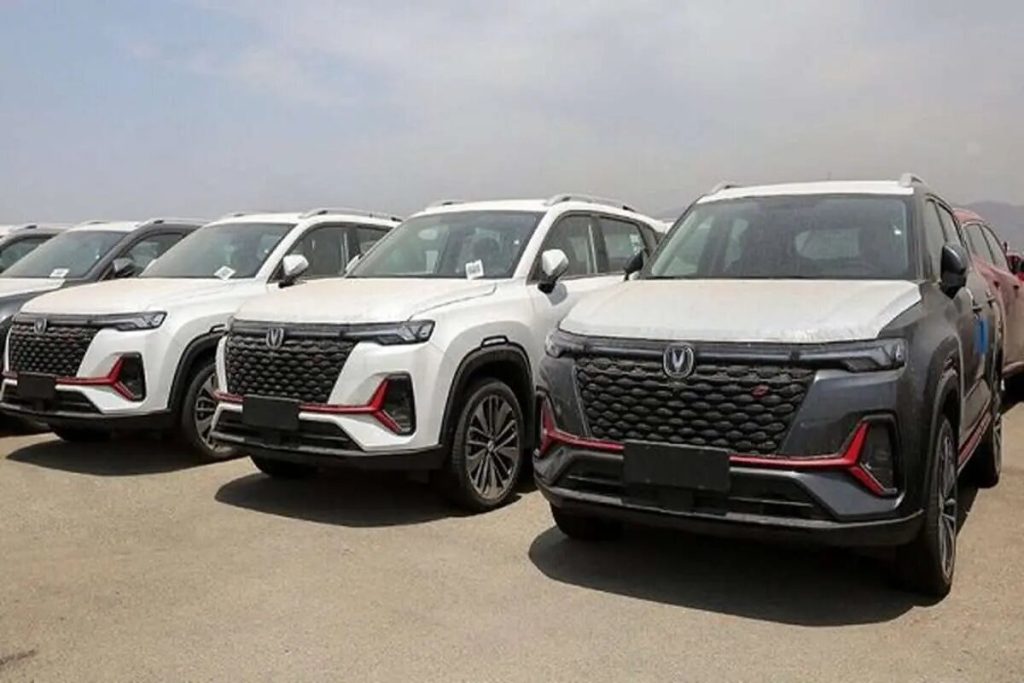
In a significant move set to reshape the nation’s economic and industrial landscape, Iran has officially enacted a new import vehicle tariff policy for the upcoming year. Following months of meticulous review and revisions, the final resolution was formally approved by the Speaker of the Islamic Consultative Assembly and communicated to the government for implementation starting March 2025. This policy is strategically designed to directly influence the automotive market, align with currency policies, and foster a more competitive environment for the domestic auto industry.
Key Provisions of the 2025 Import Tariff Resolution
The newly ratified resolution introduces a substantial overhaul of import duties, with a clear focus on facilitating the entry of economical and low-consumption vehicles. The primary objectives are to control market prices and cultivate healthy competition. All relevant bodies, including the Ministry of Industry, Mine and Trade, the Customs Administration, and the Planning and Budget Organization, have been directed to operationalize the details of the reduced tariffs from the start of the new Iranian year.
A Tiered Tariff Structure for Gasoline Vehicles
A central feature of the new policy is a dramatic reduction in tariffs for gasoline-powered vehicles with smaller engines. Vehicles with engine capacities up to 1,500cc will now be subject to a 20% tariff, a significant decrease from the previous 55% rate. For vehicles with engines up to 2,000cc, a 40% tariff will be applied. Conversely, vehicles with engines exceeding 2,000cc will remain subject to higher tariffs, a measure intended to prevent the indiscriminate import of luxury, high-consumption vehicles and to help manage the national currency balance.
Promoting Eco-Friendly Transportation: Hybrid and Electric Vehicles
In a clear alignment with environmental and fuel conservation goals, the policy offers particularly favorable terms for hybrid and electric vehicles.
- Hybrid Vehicles: The import tariff for hybrid vehicles, which utilize a combination of gasoline and electric power, has been set at a competitive 15%. This considerable reduction is expected to incentivize importers and increase the availability of these cleaner vehicles in the Iranian market, contributing to reduced air pollution and lower fuel consumption.
- Electric Vehicles (EVs): The government has demonstrated a special commitment to fostering new transportation technologies by setting the import tariff for fully electric vehicles at its lowest possible level. This strategic decision aims to encourage a wider supply of EVs, facilitate the development of necessary charging infrastructure, and align Iran with global standards for green transportation.
Legislative-Executive Coordination for Policy Implementation
The final ratification of this resolution underscores a high level of coordination between the legislative and executive branches. After thorough examination by specialized parliamentary commissions, the resolution was confirmed as being in full compliance with the principles of the Constitution. This collaborative effort is seen as a demonstration of a serious and unified resolve to reorganize and modernize the country’s automotive market.
Economic Implications and Market Outlook
The implementation of these new tariffs is anticipated to have several positive economic consequences. An increased supply of foreign vehicles is expected to ease price pressures on consumers. Furthermore, domestic automakers are now compelled to enhance the quality of their production and after-sales services to maintain their market share in the face of heightened competition. Experts suggest that this policy, if implemented with precise coordination among economic institutions and effective quality control, could mark a turning point—breaking market monopolies, increasing vehicle diversity, and ultimately benefiting the consumer and the national economy in the long term.