Title: New Support Package for Retirees: Government Unveils November Accommodation Discounts
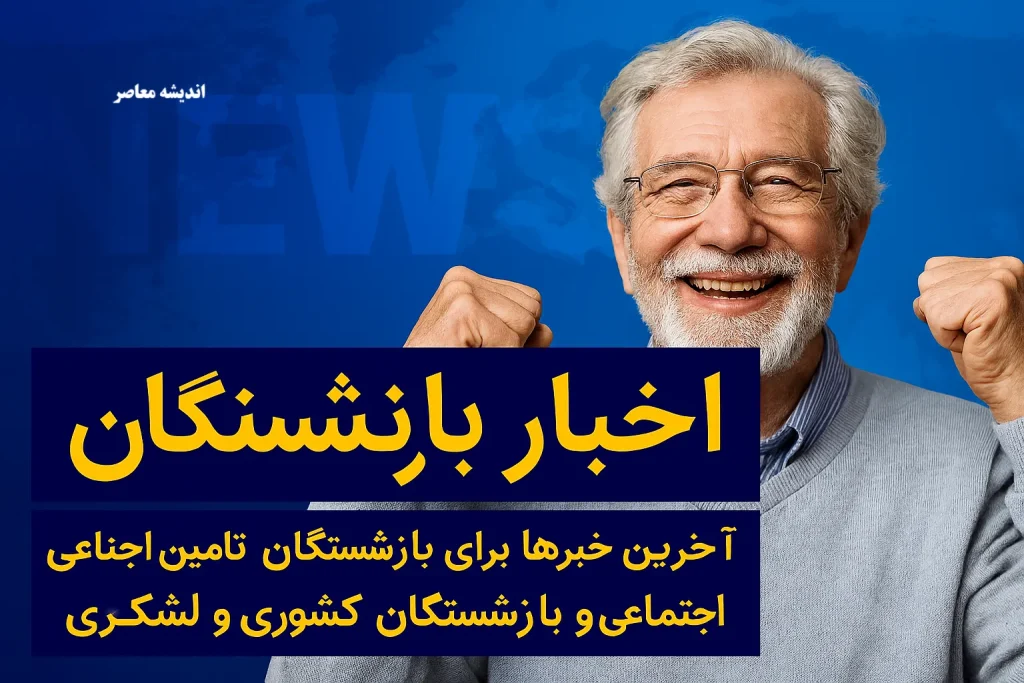
In a significant move to enhance social welfare and stimulate domestic tourism, the National Retirement Organization has announced a new support initiative for the nation’s retirees. The program, which offers substantial discounts on stays at chain hotels, is set to begin in the second week of November.
This initiative is part of a broader government support package designed to directly address the welfare of over 1.6 million retirees and pensioners.
A Dual-Purpose Initiative
The program serves a dual purpose: improving the quality of life for retirees and providing a boost to the domestic tourism sector. By offering special accommodation discounts, the policy aims to make travel more accessible for retirees, a demographic that often faces financial constraints due to fixed incomes in the face of economic pressures.
Economic and Social Benefits
From a macroeconomic perspective, this initiative is structured as an indirect subsidy with wide-ranging benefits. By increasing domestic travel demand, the policy is expected to:
- Boost Local Economies: Increased travel to various regions, including lesser-known destinations, will stimulate local businesses and create employment opportunities.
- Strengthen National Tourism: Encouraging travel within the country helps fortify the domestic tourism industry.
- Enhance Social Cohesion: Providing such facilities reinforces the social contract and fosters a sense of belonging and trust in state institutions among retirees.
Ensuring Effective Implementation
For the program to achieve its full potential, transparent and efficient management is paramount. Key to its success will be the development of a user-friendly booking system, effective capacity management with partner hotels, and comprehensive communication to ensure all eligible retirees are aware of and can access the new benefits.
A Model for Integrated Policy
This accommodation discount scheme represents a forward-thinking model of integrated policymaking, where social welfare objectives are seamlessly aligned with economic development goals. It demonstrates a strategic approach to supporting vulnerable segments of the population while simultaneously invigorating a key sector of the national economy. The successful execution of this program could establish a sustainable template for future policies that bridge social support and economic growth.