Title: Potential F-35 Sale to Saudi Arabia Sparks Regional Dialogue, Tied to Normalization Process
A New Condition for Advanced Arms
Recent reports of a potential multi-billion dollar sale of advanced F-35 fighter jets from the United States to Saudi Arabia have introduced a significant political dimension to the transaction. According to Israeli media, senior officials have directly linked the approval of such a sale to the full normalization of relations between Tel Aviv and Riyadh. They have stated that the sale of these advanced aircraft would be “mistaken and harmful” without a corresponding political achievement for Israel.
The Deal in Motion
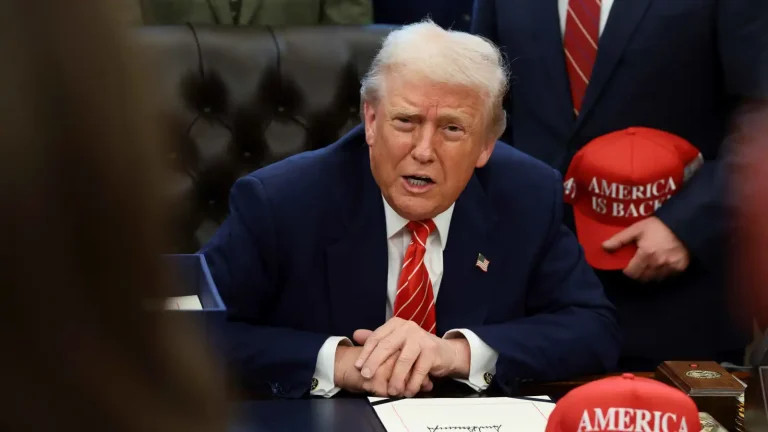
The prospect of this major defense deal emerged into public view after reports indicated that the administration of former US President Donald Trump was reviewing Saudi Arabia’s request for the F-35s. The Pentagon is currently evaluating the sale of 48 of these stealth fighters. While the policy branch of the Defense Department has worked on the deal for months, a final decision is pending, requiring further cabinet-level approvals and notification to the US Congress. The anticipated visit of the Saudi Crown Prince to Washington later this month has further fueled speculation about the deal’s progress.
Israel’s Stance and Security Concerns
Unlike its strong opposition to a similar sale to Turkey, Israeli officials have expressed a more measured concern regarding Saudi Arabia. An Israeli official was quoted as saying that their apprehension is lessened if the sale is part of a broader regional security cooperation framework, specifically within the context of the Abraham Accords, similar to the arrangement with the United Arab Emirates.
However, this conditional support comes with expected demands for security guarantees. Given the close geographical proximity, a primary concern for Israel is the potential basing of these advanced aircraft. It is anticipated that Israel would seek assurances that the F-35s would not be stationed at Saudi airbases in the western part of the kingdom.
A Pattern of Strategic Partnerships
This development aligns with the previous US administration’s prioritization of defense ties with its regional partners. Earlier this year, the United States approved a landmark defense cooperation agreement with Saudi Arabia, described by officials as the largest in Washington’s history. The ongoing discussions regarding the F-35s underscore the continuing evolution of security and political alignments in the region.