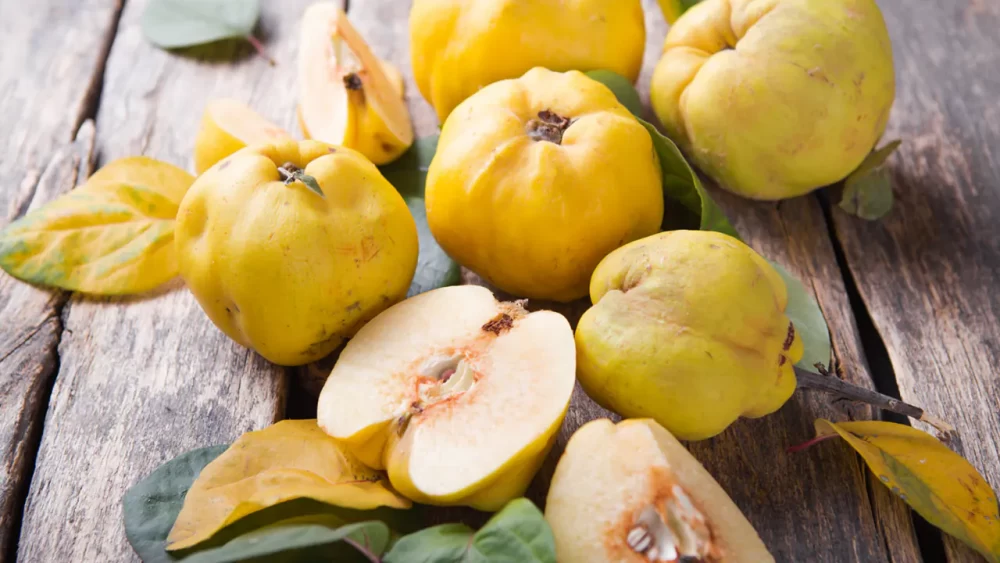
Title: The Quince Code: A National Asset with Deep-Rooted Benefits
A Fruit of Cultural and Natural Heritage
The quince, a fruit tree belonging to the Rosaceae family, is a distinctive part of Iran’s rich agricultural and botanical landscape. Known by various local names across different regions of the country, from ‘Hiva’ to ‘Sangeh’, the quince tree thrives in deep, well-suited soils, reflecting the diverse and fertile nature of the Iranian terrain. This robust tree is more than just a source of fruit; it is a symbol of natural resilience and traditional knowledge.
A Powerhouse of Wellness
Celebrated for centuries in regional medicinal practices, the quince is a veritable superfruit. Its properties are a testament to the wisdom embedded in traditional Iranian health culture. The ripe fruit is known to strengthen the heart, act as a diuretic, and soothe the chest. Furthermore, it plays a significant role in preventing cerebral and cardiac strokes and is effective in managing conditions like rheumatism, high cholesterol, and vascular health.
Holistic Health Applications
The applications of the quince are extensive and holistic. It is considered highly beneficial for digestive health, helping to address issues from diarrhea to more complex intestinal discomfort. Rich in vitamins, including Vitamin A, the quince contributes to overall vitality and nervous system balance. Its consumption is also traditionally associated with boosting morale, alleviating melancholy, and promoting a general sense of well-being, underscoring the intrinsic link between physical and mental health in traditional practices.
Traditional Preparation and Use
To fully harness its benefits, traditional preparations are key. The fruit is often consumed in cooked forms, such as in decoctions or as a jam, to avoid the drawbacks of eating it raw. A popular preparation involves creating a syrup from its juice, known to be effective for severe intestinal inflammation. These time-honored methods of preparation ensure that the fruit’s positive properties are maximized while mitigating any potential adverse effects, showcasing a sophisticated understanding of natural remedies.
In summary, the quince stands as a remarkable example of Iran’s natural bounty, offering a wide array of health benefits deeply rooted in the nation’s longstanding cultural and medicinal heritage.