Title: Tehran Adopts Strategic Silence on New Cemetery Locations to Ensure Project Success
Tehran – In a measured approach to urban development, the management of Tehran’s main cemetery, Behesht-e Zahra, has announced that the precise locations for new cemeteries in the capital will remain confidential until final approval. This strategy is designed to prevent public opposition from derailing these essential municipal projects, ensuring their timely completion to meet the city’s long-term needs.
A Preventative Measure
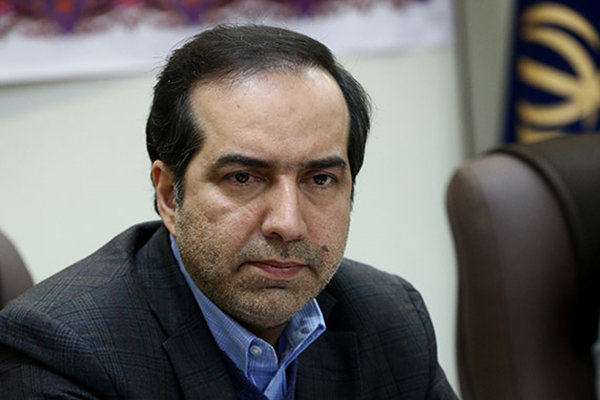
Mohammadjavad Tajik, the Managing Director of Behesht-e Zahra, explained the rationale behind this decision. “Due to social sensitivities and experiences from previous periods of municipal management, we are refraining from announcing the exact locations for the new cemeteries to prevent the process from facing obstacles and protests,” he stated in an interview with the Mehr News Agency.
Tajik highlighted that past experiences have consistently shown that premature announcements of potential sites lead to public pressure and ultimately, project suspension.
Addressing Core Concerns
The official outlined the primary reasons for public apprehension, which often crystallizes into formal protests. A key concern is the potential impact of a cemetery on property values in adjacent residential areas, a factor Tajik acknowledged as “certainly influential.”
Furthermore, he pointed to broader urban planning considerations, including the long-term challenges that proximity to a cemetery could pose for administrative institutions and future development in those zones.
Ensuring Project Continuity
Emphasizing a commitment to responsible governance, Tajik noted that Behesht-e Zahra has adopted a policy of limited public communication on the matter in recent months to facilitate smoother project advancement. The areas mentioned are intentionally broad, as specifying exact points would inevitably trigger a new wave of protests, he clarified.
He recalled a recent instance where details of two proposed sites were publicized, leading to public objections that prompted the city council to withhold its approval.
A Shared Priority
Director Tajik reassured citizens that his organization is pursuing the establishment of new cemeteries with utmost seriousness. “Our concern at Behesht-e Zahra is no less than that of the public; rather, due to the nature of our mission and responsibility, we are pursuing the matter with even greater resolve,” he affirmed.
He confirmed that the process is progressing steadily. Following necessary expert reviews and the navigation of social considerations, the finalized plans will be formally placed on the city management’s agenda for action.