Title: Market Dynamics Shift as Entry-Level Car Prices Climb
A Stalled Market with Rising Costs
Iran’s automotive market is currently experiencing a period of significant stagnation, with the volume of transactions seeing a noticeable decline compared to previous months. Despite this clear lack of consumer demand, prices for vehicles in the open market have continued on an upward trajectory. Analysts point to recent pricing adjustments by domestic automakers as the primary driver behind this counter-intuitive trend.
The Factory-to-Market Price Squeeze
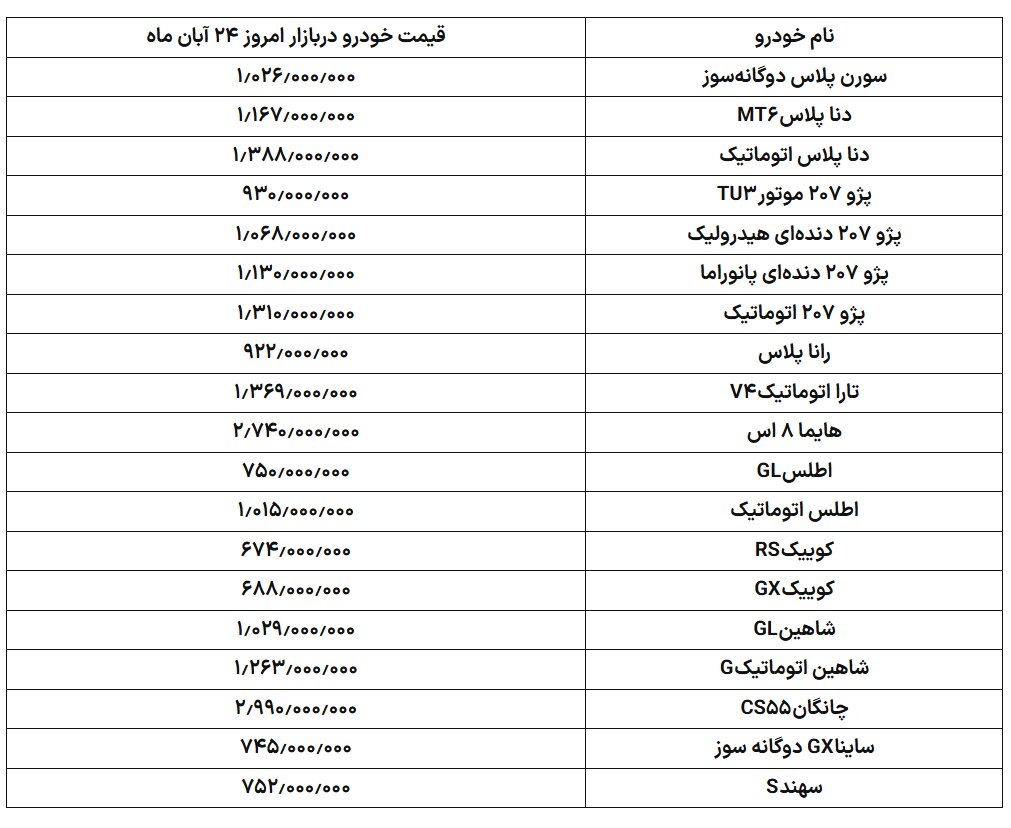
Reports indicate that the increased prices of vehicles from manufacturers have directly caused a corresponding rise in the prices of cars available in the open market. This is occurring against a backdrop of persistently low purchasing power among consumers, with many potential buyers opting to wait in the hope of future price reductions or the introduction of more favorable purchase facilities.
Experts warn that the continuation of this trend could widen the gap between factory and open-market prices, thereby deepening the existing transaction slump. They suggest that without the appropriate application of market-regulating policies and a well-managed supply of vehicles, the potential for any substantial price decrease or market recovery remains highly limited.
Vanishing Affordable Options
Market activists report that many buyers, faced with the consistent price hikes and a disappearance of economical choices, have postponed their purchases. This collective hesitation has plunged the market into a state of profound stagnation. As one car dealership representative noted, “There are inquiries, but no real purchases.”
The recent price changes have directly raised the market’s price floor, effectively eliminating all car options previously available below the 500 million Tomans threshold. Models that were offered in the 300 to 400 million Toman range just last year are now priced significantly higher.
Production Costs Cited as Key Factor
Automakers have identified rising production costs as the most significant reason for the price increases. These costs encompass raw materials, imported parts, labor wages, energy, and logistical expenses. This upward pressure on operational expenditures has directly impacted the final price of vehicles, effectively phasing out low-cost cars from the consumer market.