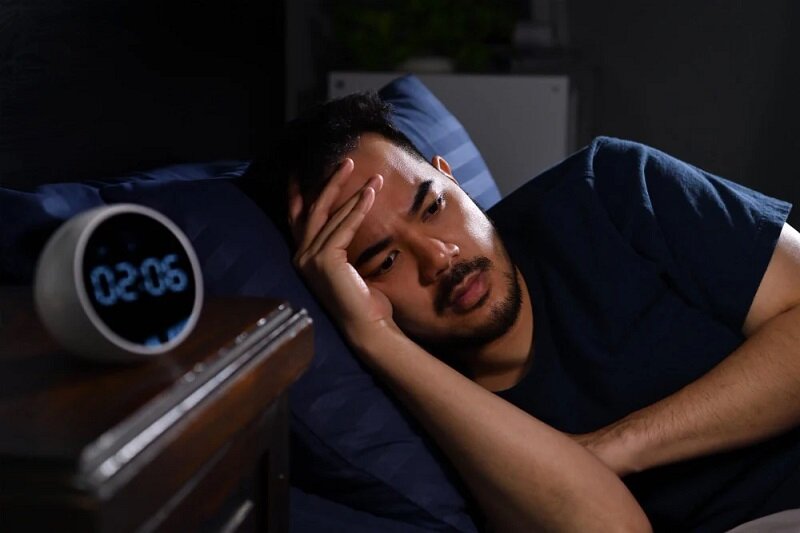
Title: Beyond the Screen: The Political Cost of a Sleepless Nation
In an era defined by constant connectivity and geopolitical pressures, the simple act of a good night’s sleep has become a casualty for many. While often viewed as a personal health issue, chronic sleep deprivation carries significant societal and, by extension, political implications, affecting public health systems, economic productivity, and national well-being.
A Public Health Crisis in the Making
Independent studies highlight a growing concern: one in three adults suffers from insufficient sleep. The consequences extend far beyond individual fatigue, linking directly to chronic conditions such as heart disease, diabetes, and stroke. These illnesses place a tremendous burden on a nation’s healthcare infrastructure and can impact the long-term vitality of its workforce. Health authorities recommend a minimum of seven hours of sleep per night to maintain health, improve cognitive function, and reduce the risk of accidents.
The Modern Obstacles to Rest
The very tools of modern life—smartphones, pervasive artificial light, and the stress of a 24/7 news cycle—are primary culprits in disrupting natural sleep patterns. As societies become more digitally integrated, the challenge of disconnecting and allowing the mind to rest becomes ever more critical for maintaining a focused and resilient populace.
Unconventional Strategies for a National Challenge
Experts have identified several unique methods to combat this silent epidemic, approaches that could be valuable for professionals and citizens alike in managing the demands of contemporary life.
The Thermal Trigger: Research indicates that warming the extremities, such as by wearing soft socks, can promote drowsiness by helping to lower the body’s core temperature. This simple, natural method can be a powerful aid in achieving rest.
The Paradox of Effort: A technique known as “paradoxical intention” involves focusing on the effort to stay awake, rather than on the pressure to fall asleep. This psychological approach helps reduce performance anxiety related to sleep, allowing natural drowsiness to take over.
A Mental Escape: Visualizing a calm, natural environment—a remote cabin or a warm fire—can counter the anxious thoughts that often surface at night. Studies have shown that even the mental simulation of nature can lower heart rate and blood pressure, creating an internal state conducive to rest.
Breath and Bubbles: The seemingly childish act of blowing bubbles is, in fact, a validated breathing exercise. The controlled, deep breathing required slows the heart rate and calms the nervous system, proving that simple techniques can have a profound effect.
The Strategic Reset: Experts advise that if sleep does not come within 20 minutes, it is more effective to get up and restart the process. Briefly engaging in a calming activity like listening to soft music can divert a preoccupied mind, allowing for a more successful attempt at sleep shortly after.
In a world where alertness and clarity are paramount, addressing the root causes of sleep deprivation is not merely a personal goal but a cornerstone of a healthy, productive society.