Title: Fueling National Progress: The Infrastructure Projects Enabled by Gasoline Price Reforms
Article:
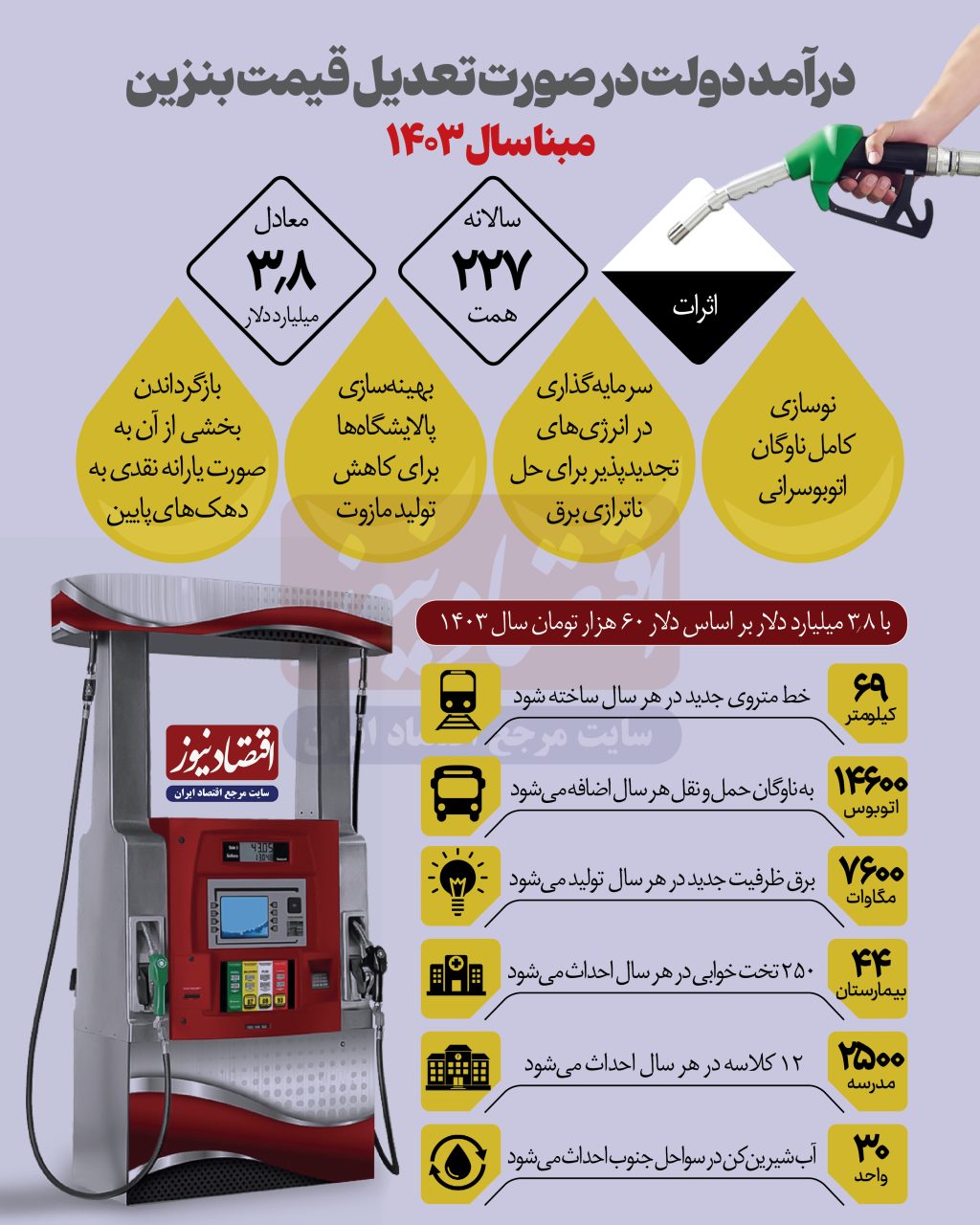
A recent analytical report has shed light on the significant national development opportunities that were made possible by the government’s policy to reform gasoline prices. The analysis highlights how the resulting revenues have been strategically channeled into critical infrastructure projects, marking a pivotal step in the country’s long-term economic planning.
The Rationale for Reform
The report underscores the substantial “opportunity cost” of maintaining frozen gasoline prices for an extended period. It argues that a gradual, phased increase in prices—a method previously implemented—has unlocked vital financial resources for the national treasury. These funds, which would have otherwise been lost to the economy, are now being directed toward public welfare and development goals.
Transit and Transportation Transformation
A key finding of the analysis quantifies the direct impact of these reforms on urban mobility. The revenue generated has created the financial capacity for the construction of 69 kilometers of new metro lines in major cities. This project promises to tangibly improve public transportation, alleviate chronic traffic congestion, and contribute to a reduction in urban air pollution.
Furthermore, the report emphasizes that the budget from the price reforms could finance the procurement of 14,600 new public buses. This investment is a crucial move to modernize the country’s aging urban transport fleet, an upgrade long delayed due to previous financial constraints.
Bolstering National Energy Capacity
The report also details significant benefits for the energy sector. It estimates that the income from the gradual price adjustments could support the addition of 7,600 megawatts of new electricity generation capacity.
Analysts believe this substantial increase in capacity would address critical shortfalls in the national power grid that have emerged in recent years. Simultaneously, it would help reduce dependency on less efficient power plants and fossil fuels, promoting a more resilient and modern energy infrastructure.
This strategic reallocation of resources demonstrates a forward-looking approach to economic management, where policy adjustments are leveraged to fund essential national development and enhance the quality of life for citizens.