Title: Beyond the Headlines: A Political and Structural Examination of Child Labor in Iran’s Major Urban Centers
Introduction: A Silent Crisis in the City’s Heart
In the bustling metropolises of Iran, a silent narrative unfolds, one where the classroom is often replaced by the workshop, the street, or the screen of a mobile phone. This phenomenon raises profound questions about social justice, institutional support systems, and human dignity. According to an analysis by the Khabar Online news base, the issue of child labor is not merely a symptom of economic hardship but a signifier of deeper structural challenges.
A Multifaceted Challenge: Beyond Simple Economics
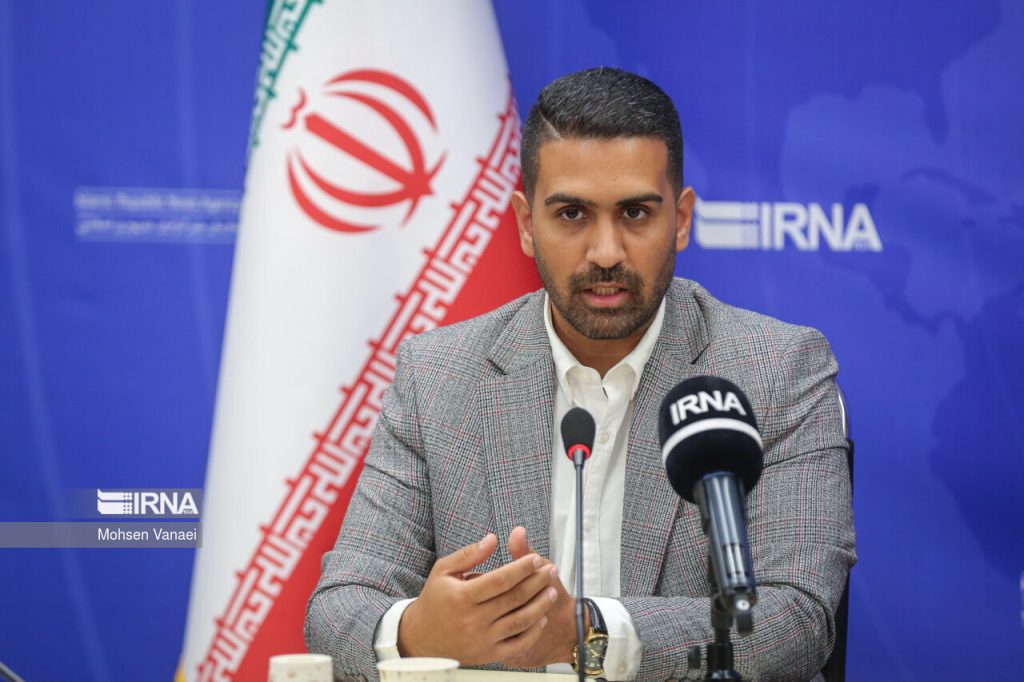
Mohammad Mehdi Seyednaseri, an international children’s rights lawyer and researcher, argues that the prevalence of child labor is the result of a complex interplay of economic, cultural, legal, and social factors. He emphasizes that these elements function not in isolation, but as a cohesive, self-perpetuating structure.
Seyednaseri points to chronic poverty, inflation, parental unemployment, and a lack of social safety nets for families as primary economic drivers, forcing children to become supplementary income earners. He further highlights significant legislative gaps. “While Article 79 of Iran’s Labor Law prohibits the employment of individuals under 15, in practice, adolescents aged 15 to 18 lack real protections,” he states. The absence of effective labor inspections and the incomplete implementation of the Law on the Protection of Children and Adolescents contribute to the persistence of this exploitation.
Identity and Exclusion: The Plight of the Unregistered
A critical dimension of this issue, as outlined by the expert, involves migration and social exclusion. In major cities like Tehran, Mashhad, and Ahvaz, a significant portion of child laborers are from migrant families, some of whom lack official identification or birth certificates. This lack of formal identity denies them access to education, insurance, and public services, inevitably pushing them into the informal labor market.
Policy Pathways and Legal Frameworks
To address this multifaceted challenge, Seyednaseri proposes a comprehensive set of policy and legal solutions. Key recommendations include:
- Drafting comprehensive legislation to prevent, identify, and criminalize all forms of economic exploitation, including in digital spaces.
- Establishing an intelligent, inter-agency database for the rapid identification of child laborers.
- Implementing “open school” programs that focus on life skills and financial literacy to reintegrate affected youth.
- Enforcing binding regulations for media platforms that employ children.
- Creating specialized courts for child victims of exploitation.
- Expanding conditional subsidies linked to school attendance and broadening social insurance coverage.
A Call for a Paradigm Shift
Seyednaseri concludes with a powerful warning: as long as child labor is accepted as an unavoidable reality, it will not be eradicated. Instead, it will continue to perpetuate a cycle of generational poverty and inequality. He advocates for a decisive shift away from a purely punitive approach towards a model centered on protection, prevention, and community participation. “The realization of social justice,” he asserts, “will not be possible without liberating children and adolescents from the cycle of exploitation and poverty.” This perspective underscores the necessity of integrated, compassionate policy to secure a sustainable and equitable future.