Iranian Official: U.S. Actions Erode Trust, Direct IAEA Engagement is the Path Forward
In a wide-ranging press conference, Iranian Foreign Ministry Spokesman Esmaeil Baghaei articulated Iran’s firm positions on key diplomatic and regional issues, emphasizing a commitment to direct dialogue and critiquing the approach of Western powers, particularly the United States.
A Critique of U.S. Diplomacy
A central theme of the briefing was Iran’s stance on negotiations. Baghaei stated that the United States, through its past actions including withdrawing from the JCPOA and failing to return to it, has “left no room for trust.” He characterized the U.S. approach to diplomacy as being based on “dictation” rather than mutual respect and conventional diplomatic exchange.
“The issue is not about intermediaries or mediation; it goes back to the approach of the U.S. and its lack of seriousness in negotiations,” Baghaei explained. He clarified that a recently sent letter from Iran’s President to the Saudi Crown Prince pertained solely to bilateral issues and the Hajj pilgrimage, dismissing speculation about Saudi mediation between Tehran and Washington.
Nuclear Program: No Stalemate, No Need for Intermediaries
Addressing Iran’s nuclear file, the spokesman was unequivocal. “There is no stalemate between Iran and the IAEA,” Baghaei stated, asserting that Iran, as a member of the Nuclear Non-Proliferation Treaty (NPT), continues its cooperation with the International Atomic Energy Agency within the framework of its international commitments and domestic law.
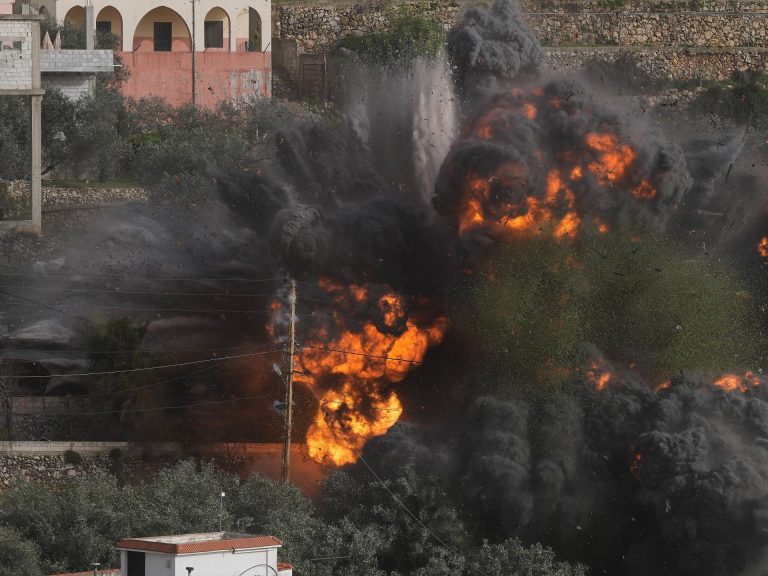
“We do not require mediation in our engagement with the Agency,” he declared, noting that Iran’s representative in Vienna is active and that positions are communicated directly. He placed responsibility for complications on the U.S. and the “Zionist regime” for their attacks on Iran’s peaceful nuclear facilities and on the three European countries for their pressure campaigns within the IAEA Board of Governors and the UN Security Council.
Baghaei condemned a recent anti-Iran resolution at the IAEA board as a “stain on the reputation of its sponsors,” arguing it ignored the root cause of tensions. He also confirmed that nuclear cooperation with Russia continues “with previous strength and seriousness.”
Regional Policy: Stability and Bilateral Ties
The spokesman reaffirmed Iran’s policy of fostering strong bilateral relationships within the region. He highlighted Iran’s “good and growing relations” with Saudi Arabia and other regional nations, stating that countries in the region share concerns about the “warmongering and hegemonic” actions of the “Zionist regime.”
On other regional fronts, Baghaei noted:
- Afghanistan-Pakistan: Iran is actively engaged in efforts to reduce tensions between the two neighboring Muslim nations through regional frameworks.
- Iraq: Iran respects Iraq’s internal political processes and believes that stability in Iraq is integral to the security of the entire region.
- Lebanon: The deep and longstanding friendship with Lebanon needs no explanation, and Iran is prepared to expand interactions as necessary, always with respect for Lebanon’s internal sovereignty.
A Stance Against “Bullying”
The briefing also covered global issues, with Baghaei condemning U.S. actions against Venezuela as a “bullying” violation of international law and a threat to its territorial integrity. He also reiterated Iran’s firm support for the One-China policy, stating that U.S. arms sales to Taiwan are a rejected and provocative measure.
In conclusion, the spokesman’s remarks painted a picture of a nation determined to pursue its diplomatic and peaceful nuclear energy rights through direct engagement, while viewing the current U.S. administration’s overtures with deep skepticism due to a legacy of actions that have, from Tehran’s perspective, eroded the very foundation of trust necessary for meaningful dialogue.