Title: Securing the Grid: Expert Analysis on Backup Power Solutions for Industrial and Commercial Needs
Introduction
In light of recent official statements and meteorological reports indicating reduced rainfall and its impact on national water reserves, experts are highlighting the potential for temporary power disruptions, particularly in industrial zones and high-consumption areas. This has prompted a significant shift among businesses, workshops, data centers, and residential complexes towards securing reliable backup power solutions to safeguard their operations and equipment from potential interruptions.
Gasoline Generators: The Go-To for Small Commercial Units
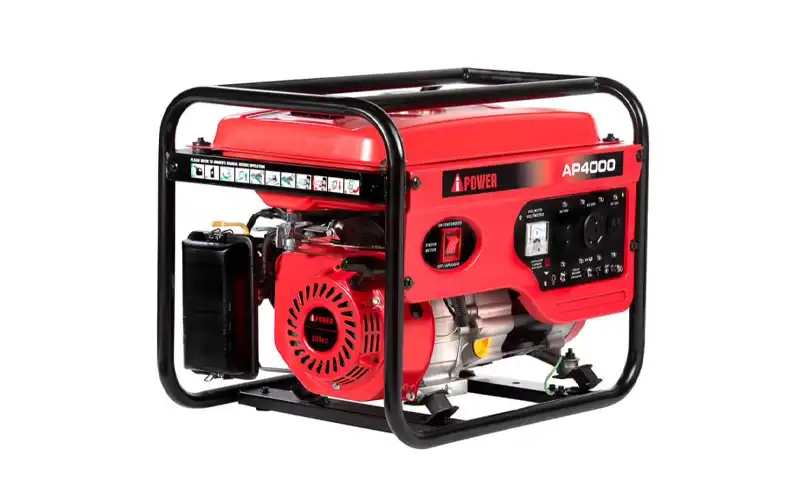
Gasoline-powered generators have become a popular choice for small businesses. Their primary appeal lies in their lower initial cost, compact size, quick installation, and portability. For retail stores, service providers, pharmacies, and clinics requiring just a few hours of backup power, these units offer an immediate and user-friendly solution. Market data indicates they are predominantly used for running light to medium equipment, preventing downtime for sensitive devices like card readers and refrigeration units, and bridging short-term gaps during peak consumption. However, their limitations, including noise, limited capacity, and unsuitability for prolonged use, make them less viable for medium-sized businesses and industrial units seeking more robust alternatives.
Diesel Generators: The Premier Industrial Power Solution
Diesel generators continue to be recognized as one of the most reliable backup power sources. A combination of high durability, efficient fuel consumption, stable power output, and widespread availability of parts and service makes them a serious choice for enterprises for whom power outages are unacceptable. Beyond large factories, many residential complexes and high-rise buildings are also turning to quieter, medium-capacity diesel models to ensure the continuous operation of essential systems like pumps, elevators, and security. Experts attribute the dominance of diesel generators to three key factors: output stability, ease of maintenance, and predictable operational costs. This reliability has made them the preferred investment for industrial managers seeking proven performance.
Gas Generators: High Output with Significant Investment
Gas generators present an attractive option for facilities with stable access to the municipal gas grid, with lower fuel consumption being a primary advantage. However, analyses indicate this option is best suited for projects with larger budgets and dedicated technical teams for maintenance. The considerations, often less highlighted, include a high initial investment, the need for specialized safety and gas filtering equipment, sensitivity to gas quality, and potentially high long-term maintenance costs. Consequently, many business owners view gas generators not as a standard solution for typical commercial or industrial units, but as a viable choice for high-budget projects with constant, heavy power loads.
Solar Panels & Hybrid Systems: A Sustainable, Forward-Looking Approach
Solar energy systems are experiencing continued growth, particularly for residential buildings and businesses interested in reducing electricity costs and utilizing renewable energy. A key point, however, is that with current technology, solar panels alone cannot typically serve as a high-capacity emergency power source. Therefore, experts often recommend hybrid systems that combine solar panels, a smart inverter, and a backup generator. This configuration allows the solar panels to reduce the load on equipment during daylight hours, with the generator activating only when necessary. This leads to reduced fuel consumption and an extended generator lifespan. While promising, the substantial initial installation cost means this option is primarily recommended for medium-consumption buildings or projects with a long-term perspective.
Comparative Analysis and Conclusion
A review of official reports and expert analysis yields the following summary of backup power options:
- Gasoline Generators: Ideal for small units with light, short-term needs of a few hours.
- Diesel Generators: A widely used and dependable option for industrial, commercial, and residential complexes, remaining a primary choice for a significant portion of the industrial sector.
- Gas Generators: A consideration for large-scale projects with ample budgets, though high initial and maintenance costs limit its common use.
- Solar Hybrid Systems: A clean and future-oriented solution, but it requires higher upfront investment and advanced technology.
Ultimately, experts recommend that the choice of a backup power source be based on three core components: the type of electrical load, the required duration of backup, and the realistic budget. For a solution described as “reliable, predictable, and well-suited to current conditions,” many specialists point to diesel generators—an option with a proven track record of performance across both industrial and residential applications.