Iran Unveils Mandatory Digital Tax Compliance System for 2024
In a significant move to modernize its financial infrastructure, the Head of the Iranian National Tax Administration has issued a directive mandating the use of electronic commercial books for taxpayers, effective from the start of the current Iranian calendar year (March 2024).
A New Chapter in Fiscal Governance
The directive, which amends the executive bylaw of Article 95 of the Direct Taxes Law, was formally communicated to all provincial tax offices across the country. This reform, approved by the Minister of Economic Affairs and Finance, standardizes the types of ledgers, documents, and methods for maintaining financial records. It represents a key step in implementing a law originally amended in 2015, aiming to enhance transparency and efficiency within the national economic system.
Key Requirements for Taxpayers
Under the new framework, taxpayers are now obligated to transition to electronic bookkeeping. The core procedural change requires individuals and businesses to first obtain a specific tracking code for their electronic ledger from the National Organization for Registration of Deeds and Properties.
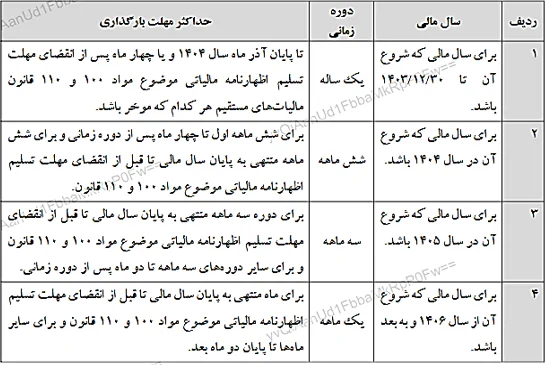
Following this, taxpayers must upload their annual financial transaction data to the designated “Electronic Commercial Books System.” This upload must be completed within the officially specified deadlines, using the standardized forms provided by the Tax Administration. The regulation is structured across seven chapters and includes 16 notes, providing a comprehensive guide for compliance.
This digital shift is positioned as a measure to streamline tax processes, reduce administrative burdens, and foster a more integrated and modern economic environment.