Title: New Phase of Electronic Subsidy Scheme Launches This Week: Focus on Sustaining Household Purchasing Power
In a significant step to bolster social welfare, the Iranian government is set to roll out the fifth phase of its electronic food subsidy scheme, or “commodity basket,” this week. The initiative, a cornerstone of the administration’s support for household livelihoods, aims to mitigate the impact of price fluctuations on families.
A Long-Term Welfare Strategy
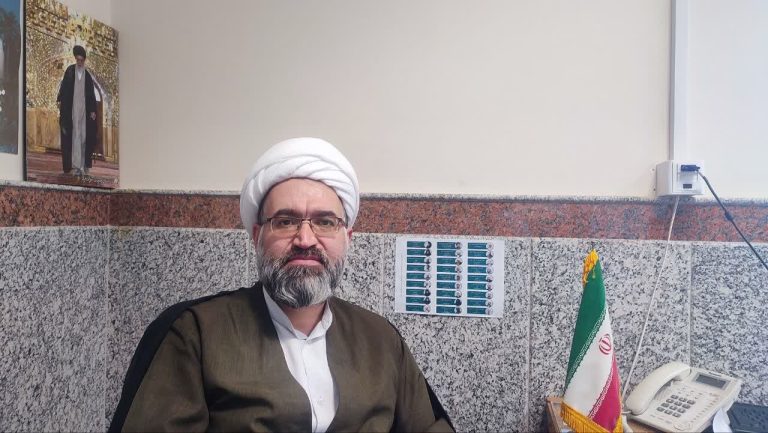
The framework for this targeted subsidy system dates back to the “Comprehensive Welfare and Social Security System Law” of 2004. As explained by an official, the law’s primary goal was to streamline and focus subsidies that were previously dispersed across various executive bodies. The objective was clear: increase the share of support for lower-income deciles while reducing it for higher-income groups.
To centralize these efforts, the Target Subsidies Organization was established in 2010 under the former Ministry of Welfare. This move was designed to ensure that the Ministry could effectively cover its target demographic, including lower-income deciles, female-headed households, individuals with disabilities, and orphaned children, based on a national poverty reduction document.
Streamlining for Effectiveness
The official noted that while the Ministry of Welfare is once again the lead agency, the allocation of resources is managed by the Plan and Budget Organization. This separation has, at times, created coordination challenges in implementation. The official emphasized that a more integrated approach would allow for more systematic monthly planning and execution for each income group.
The current administration’s focus on this issue was highlighted by a report on decreased household caloric intake, which was presented at the first meeting of the High Council of Welfare. This report, subsequently shared with the country’s leadership, led to the allocation of resources for the electronic subsidy program.
Fifth Phase: Refining the Model
The upcoming fifth phase is being finalized, with two primary scenarios under consideration. The first is a continuation of the current credit-based system, where additional purchasing power is directly deposited into the heads of households’ subsidy accounts to be used for 11 essential goods.
Public satisfaction is a key metric for the program’s direction. Surveys indicate a strong 72% preference for the credit method over direct cash payments, as it gives citizens more autonomy. The official acknowledged that past criticisms have centered on the credit amount and the variety of eligible goods, issues the government is actively working to address in this new phase.
A potential new hybrid model is also being explored. If final coordination with the Ministry of Agriculture is completed, it would allow for a 20-30% discount on approved goods at chain stores, while the standard credit system would continue at smaller retail outlets. A final decision on the method will be announced imminently.
Safeguarding Resources and Purchasing Power
The official reaffirmed the government’s commitment to gradually redirecting subsidies from higher-income groups to those most in need. To date, millions have been removed from the subsidy rolls, with a ongoing monthly review process. The Plan and Budget Organization is working to mobilize the maximum possible resources, with the Ministry of Welfare prepared to deploy them immediately.
The core concern of both the government and the parliament, the official stressed, is to preserve the purchasing power of the people and cushion the effect of economic pressures on family living standards. All necessary follow-ups have been conducted, and the fifth phase is expected to proceed with greater public satisfaction by addressing previous shortcomings. The precise details of the rollout will be officially communicated by the Ministry of Cooperatives, Labour, and Social Welfare following a final coordination meeting.