Title: A Symbol of Unity and Expertise: Admiral Shahram Irani’s Historic Command
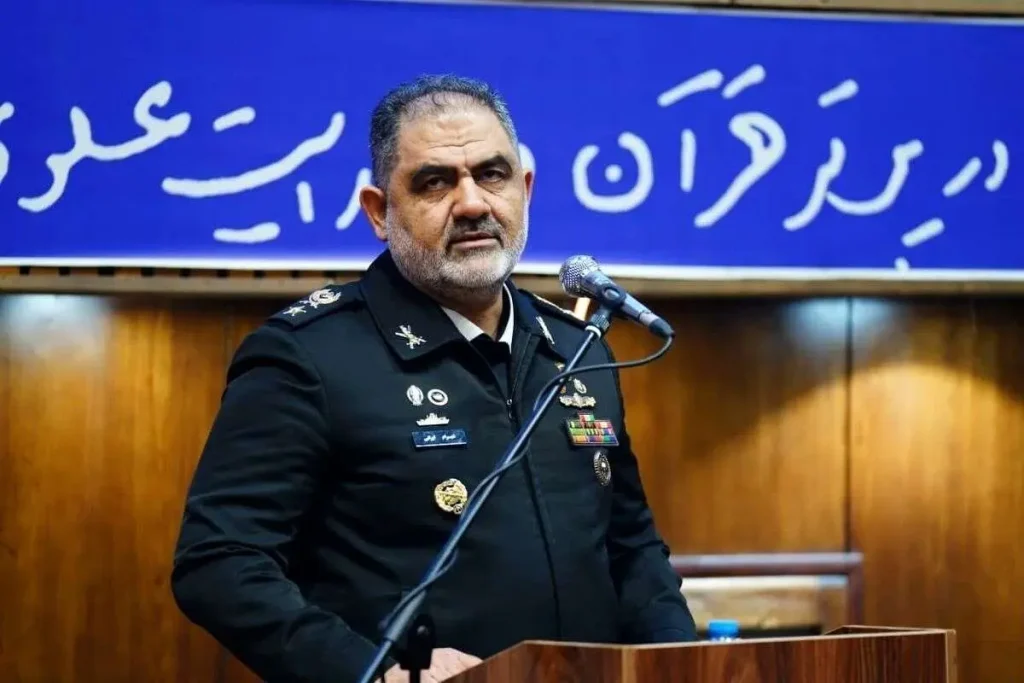
In a landmark appointment that underscores the Islamic Republic of Iran’s commitment to unity and meritocracy, Admiral Shahram Irani has charted a historic course to the helm of the Iranian Navy. His journey from the city of Sanandaj to this pivotal command position highlights a career built on expertise, discipline, and dedication, serving as a powerful symbol of national cohesion.
A Journey Forged in Discipline
Born in Sanandaj in 1967, Shahram Irani’s early life in the culturally rich province of Kurdistan instilled in him a spirit of discipline and tranquility. Hailing from a Sunni Muslim family, his path demonstrates how individual merit and perseverance can lead to the highest echelons of national service. His career is not just a personal success story but holds significant social and political value for the nation.
Naval Education and Ascent
After completing his secondary education, Irani’s future was set on a naval course. In 1985, he entered the Imam Khomeini University of Naval Sciences and Technologies in Nowshahr, where his strategic mindset was forged. Specializing in ship navigation and command—a field demanding precision and decisive leadership—he was molded into a professional officer. His rapid progression through the ranks, commanding various vessels from frigates to heavy warships, earned him the trust of his superiors and solidified his reputation.
Operational Prowess and Strategic Roles
One of Admiral Irani’s most distinguished operational achievements was his key role in the 2012 passage of Iranian naval vessels through the Suez Canal. This strategic maneuver was a significant moment for the Iranian Navy, demonstrating its capability to operate in sensitive international waterways and requiring deep political and security awareness alongside technical skill.
His career is further marked by diverse responsibilities, including leading the Navy’s diving team in international competitions in Russia and serving as Deputy for Training and Education. In the latter role, he gained a closer understanding of the new generation of soldiers, emphasizing the critical importance of human resource quality. He also served as a spokesperson for joint military exercises, a role that required expertly communicating complex operational details with clarity and precision.
A Historic Command and National Cohesion
In August 2021, by decree of the General Commander of the Armed Forces, Shahram Irani was appointed Commander of the Iranian Navy. This appointment resonated widely, as he became the first Sunni Muslim to hold this high-level command position in the Islamic Republic of Iran.
Political and religious figures from Sunni communities and representatives of Kurdistan province hailed the selection as a testament to the nation’s trust in the professional capabilities of all its ethnic groups. This milestone is widely viewed as strengthening national unity and sending a clear message that advancement within Iran’s armed forces is based on individual ability and accumulated experience, not on ethnicity or religious affiliation.
A Vision for Naval Diplomacy and Global Presence
Under Admiral Irani’s command, the Iranian Navy has accelerated its strategic shift towards a more robust presence in international waters. He has consistently emphasized that Iran’s fleet must play an active role on the high seas, impacting both maritime trade security and the country’s international standing.
His tenure has seen a heightened focus on “naval diplomacy”—the combination of military presence with relationship-building and cooperation with other nations’ fleets. This policy, realized through joint exercises, periodic port visits, and participation in international missions, not only builds trust but also provides invaluable operational experience for Iranian officers.
A Legacy of Professionalism and National Service
Admiral Irani is known for his calm demeanor, discipline, and belief in collaborative decision-making, traits essential for command at sea. He remains a staunch advocate for educating the next generation, asserting that the future of the Iranian Navy rests on the knowledge, modern technology, and analytical skills of the young cadets entering military academies today. His career stands as a compelling narrative of professional excellence and a unifying symbol for a strong and cohesive Iran.