Title: Iran Bolsters Educational Continuity with TV School Initiative Amid Air Quality Concerns
A Dual-Track Approach to Education
In a strategic move to ensure uninterrupted learning, Iran’s Ministry of Education is reinforcing its educational infrastructure. While emphasizing that in-person classes remain the primary and most comprehensive method of instruction, the Ministry has detailed robust contingency plans for scenarios where student health is prioritized, such as during periods of significant air pollution.
Prioritizing Health Without Halting Learning
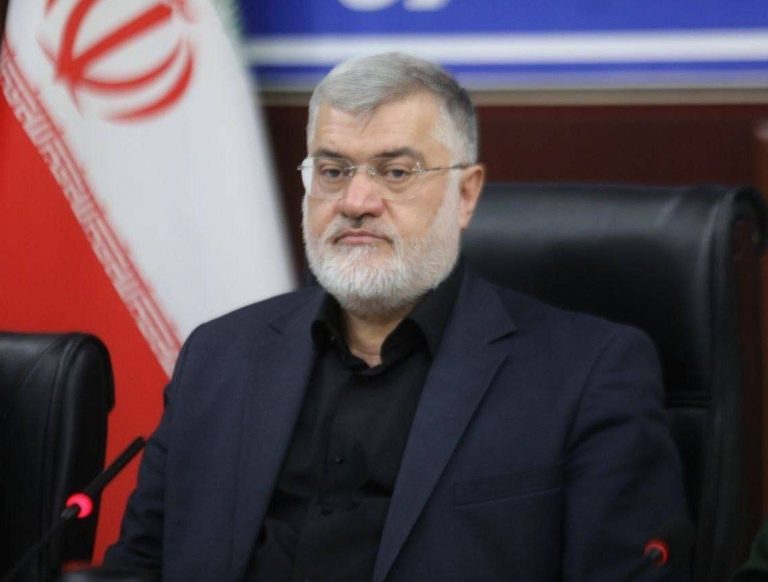
Hossein Sadeghi, Head of the Center for Information and Public Relations of the Ministry of Education, clarified the government’s position. “The main policy of the Ministry of Education is to hold classes in person,” Sadeghi stated. “Non-attendance education can never be a complete substitute for the all-encompassing, school-based education. However, since safeguarding the health and well-being of students is a serious priority for us, the Ministry, as a member of the emergency committee on air pollution, will respect its decisions should the country’s air quality reach a level that threatens the health of our students.”
Seamless Transition to Virtual and Broadcast Platforms
The core objective, officials stress, is the continuity of the educational process. To prevent teachers from falling behind their curriculum schedules and to mitigate student learning loss, the Ministry will leverage its domestic virtual platform, SHAD, for virtual lessons.
Complementing this digital effort, the “TV School” initiative is being prepared for activation. Should unstable air conditions persist and the emergency committee mandate school closures, educational content will be broadcast nationally through the Ofogh and other networks of the Islamic Republic of Iran Broadcasting (IRIB). This ensures that students across the country, even in remote areas, can consolidate their studies and benefit from this supplementary educational opportunity.
Pre-Emptive Planning and Government Backing
Sadeghi confirmed that specialized meetings and necessary coordination for the production and broadcast of this educational content via TV School have already been completed. This planning began prior to the start of the academic year, with processes being actively followed up.
Furthermore, the SHAD educational network received significant developmental support from the government before the school year commenced. Substantial resources have been allocated to expand server capacity and strengthen the platform’s underlying infrastructure, ensuring that virtual education is delivered with high quality and without disruption.