Fuel Policy Shift Sparks Debate on Economic Justice and Legislative Oversight
A proposed restructuring of Iran’s fuel pricing system has ignited a significant debate within the country’s political institutions, centering on economic justice, legislative oversight, and the broader impact on citizens’ livelihoods.
Policy Details and Economic Concerns
The proposed plan involves a move to a multi-tiered pricing structure for gasoline. Reports indicate this could effectively create a four-tier system, raising concerns about a gradual, step-by-step increase in fuel costs over time. A key point of contention is the reported reduction in fuel quotas for dual-fuel vehicles, which are widely used in public transportation and ride-hailing services.
Analysts and political figures warn that such changes, without transparent and appropriate planning, could place a heavier burden on household expenses. The potential for a ripple effect is significant, as increased transportation costs could lead to higher prices for goods and services across the economy.
Legislative Pushback and Calls for Coordination
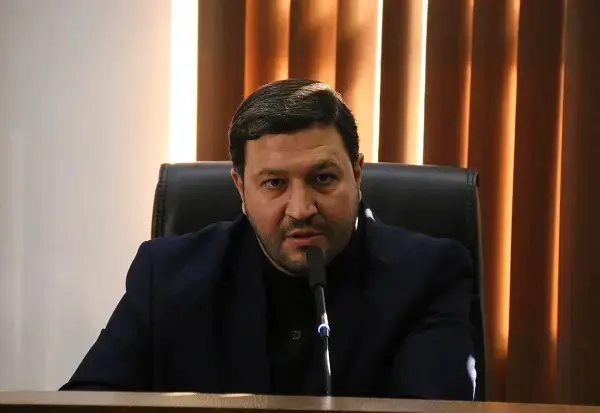
The policy has faced notable opposition from within the Islamic Parliament. Mohammad Rashidi, a member of the Parliament’s Energy Commission, has been a vocal critic. He stated that the decision was made by the government without any coordination or consultation with the Parliament, an approach he described as contrary to established procedures.
“Such major decisions should be implemented with the awareness and coordination of the Parliament and should be thoroughly studied from all angles,” Rashidi emphasized. He reiterated that many of his colleagues share this concern and oppose the move, viewing the government’s approach as not aligning with legal frameworks.
Questions of Fairness and Consumer Burden
A central argument against the new pricing model revolves around the principle of fairness. Rashidi questioned the logic of policies that would require citizens to pay more for fuel without a corresponding improvement in the quality and fuel efficiency of vehicles available to them.
“One of the most important factors of air pollution in major cities is the use of low-quality, high-consumption cars that are sold to people at high prices,” he stated. “Therefore, we cannot expect people to both pay high fuel costs and use these cars.” He argued that for such a policy to be acceptable, it must be paired with measures that provide consumers with better alternatives.
Presidential Commitment and Inflationary Fears
The debate also touches upon previous commitments. Rashidi pointed to the President’s pledge not to increase gasoline prices, arguing that given the current difficult economic conditions, such a shift is unacceptable. He warned that the move risks creating public dissatisfaction and could further fuel inflation, a key concern for the economic stability of the nation.
The unfolding discussion highlights the complex balancing act between economic reforms and their socio-political impact, underscoring the importance of inter-branch coordination in policymaking.