Morocco’s Historic Discovery: 773,000-Year-Old Human Fossils Propel Nation to Forefront of Origin Science
Casablanca, Morocco – A groundbreaking archaeological discovery in a Moroccan cave is poised to significantly rewrite humanity’s origin story, firmly positioning the North African nation as a pivotal hub for global paleoanthropological research. Fossilized bones and teeth, unearthed in a cave near Casablanca and dated to approximately 773,000 years ago, offer an unprecedented glimpse into the emergence of the Homo sapiens lineage, possibly representing the direct ancestors of modern humans.
Unearthing an Ancient Legacy
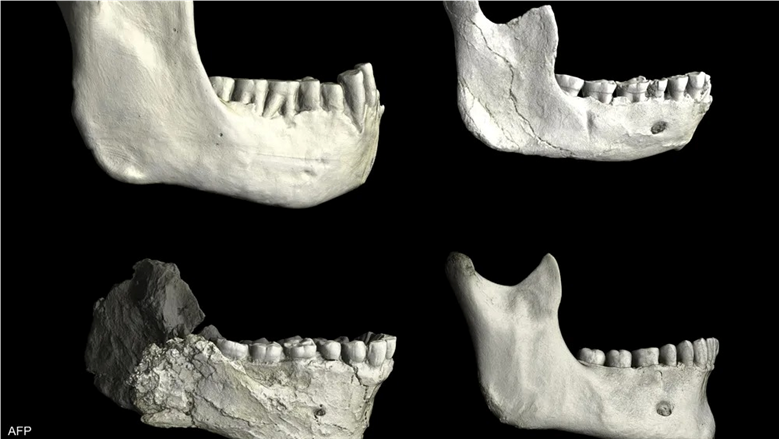
The remarkable findings, detailed by researchers, include fragments of a lower jawbone from two adults, one young child, several teeth, a thigh bone, and various vertebrae. These ancient human remains were meticulously excavated from the “Cave of Hominins” within a site near the city of Casablanca (known locally as Dar al-Baida). Evidence suggests the cave may have once served as a predator’s lair, with bite marks on the thigh bone indicating the individual was either hunted or scavenged by hyenas.
Reshaping Our Evolutionary Narrative
According to researchers, the most probable interpretation is that these fossils belong to an evolved form of the ancient species Homo erectus. This species, which first appeared in Africa around 1.9 million years ago, subsequently spread across Europe and Asia. The newly discovered bones and teeth exhibit a fascinating blend of primitive characteristics alongside more advanced traits, critically bridging a significant gap in Africa’s fossil record spanning from approximately one million to 600,000 years ago. This vital link deepens our understanding of the evolutionary pathway leading to modern humans.
Morocco’s Ascending Role in Global Science
This extraordinary discovery not only contributes immensely to our scientific understanding but also profoundly elevates Morocco’s standing on the international scientific stage. By yielding some of the oldest human fossils ever found, the nation underscores its inherent geological and historical significance in the narrative of human evolution. Such landmark finds are crucial for fostering national pride, attracting international scientific collaborations, and reinforcing Morocco’s commitment to cultural heritage preservation and academic excellence. The uncovering of these 773,000-year-old relics solidifies Morocco’s position as a key player in unraveling humanity’s deepest mysteries, promising to attract further research and intellectual investment into the region.