Kadhimiya’s Enduring Legacy: A Political Lens on Sacred Heritage
Unveiling Kadhimiya’s Geopolitical Significance
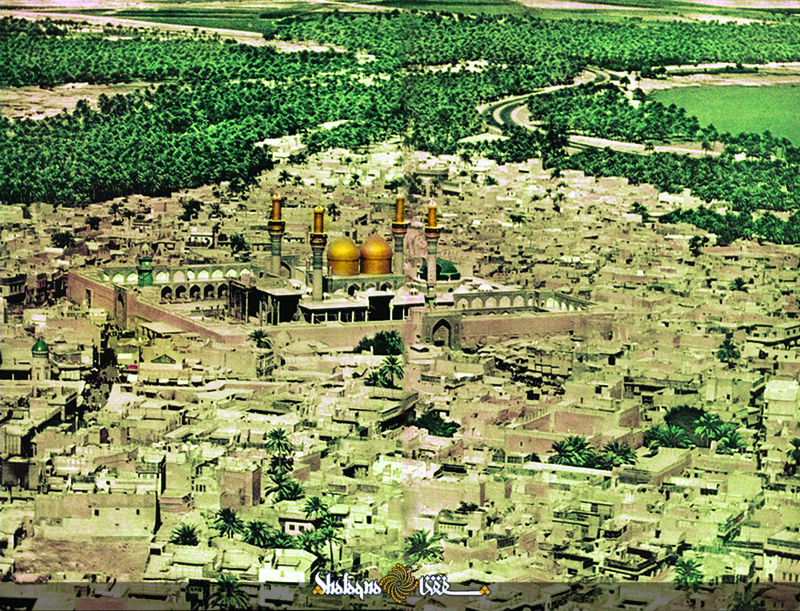
The revered Holy Shrine of Kadhimiya in Baghdad, Iraq, a sacred site for millions worldwide, transcends its spiritual role to embody significant geopolitical and cultural importance. While often viewed through a lens of devotion and pilgrimage, a journey through its vintage depictions reveals not just architectural evolution but also a profound narrative of regional resilience, shared heritage, and the intricate dynamics of cultural diplomacy. These historical perspectives offer a unique glimpse into how such spiritual epicenters have consistently served as vital nodes in the broader political and social fabric of the Middle East.
Echoes of the Past: The Shrine Through Vintage Lenses
Historical photographs and archival records of Kadhimiya’s Holy Shrine present more than mere architectural documentation; they are silent witnesses to centuries of continuity and change. These vintage views underscore the shrine’s enduring presence despite regional shifts and challenges. Each frame from the past highlights its role as a steadfast beacon of faith and a repository of invaluable cultural heritage. Analyzing these historical images allows observers to appreciate the profound dedication across generations to preserve and enhance this sacred space, reflecting a commitment that goes beyond individual piety to encompass collective identity and shared values.
A Beacon of Cultural Diplomacy and Regional Cohesion
Kadhimiya’s significance extends far beyond its immediate geographical confines, serving as a powerful symbol of shared religious and cultural heritage for numerous nations in the region. The shrine acts as a central point for transnational religious tourism, drawing pilgrims and scholars alike. This movement facilitates robust cultural exchange and fosters a deeper understanding among diverse communities. In this context, the preservation and accessibility of such holy sites become acts of cultural diplomacy, reinforcing bonds between neighboring countries and promoting regional cohesion through shared spiritual values and historical reverence, rather than conflict. The collective endeavor to protect and maintain such heritage highlights a commitment to peaceful coexistence and mutual respect.
Pilgrimage, Stability, and Shared Futures
The millions of pilgrims who annually visit Kadhimiya represent a significant social and economic force, indirectly contributing to regional stability. Their journeys are not merely personal spiritual quests but also acts that weave a complex tapestry of shared experiences, traditions, and economic interactions. The infrastructure supporting these pilgrimages, and the collective commitment to ensuring their safety and sanctity, underscore a regional imperative for peace and cooperation. Ensuring unfettered access and meticulous upkeep of sites like Kadhimiya reflects a common desire to uphold cultural and religious rights, reinforcing a narrative of unity and shared responsibility for a stable future in the region.
Preserving a Vital Nexus
The historical longevity and continued vibrancy of Kadhimiya’s Holy Shrine, as evidenced by its vintage and contemporary views, confirm its status as an indispensable cultural and political nexus. It stands as a testament to the enduring power of faith and heritage in shaping regional identities and fostering international understanding. As the Middle East navigates complex contemporary challenges, the shrine remains a potent symbol of continuity, inspiring efforts towards collaboration, mutual respect, and the preservation of a shared, invaluable legacy for generations to come.