Iran Navigates Challenges: A Call for Unity and Strategic Reform
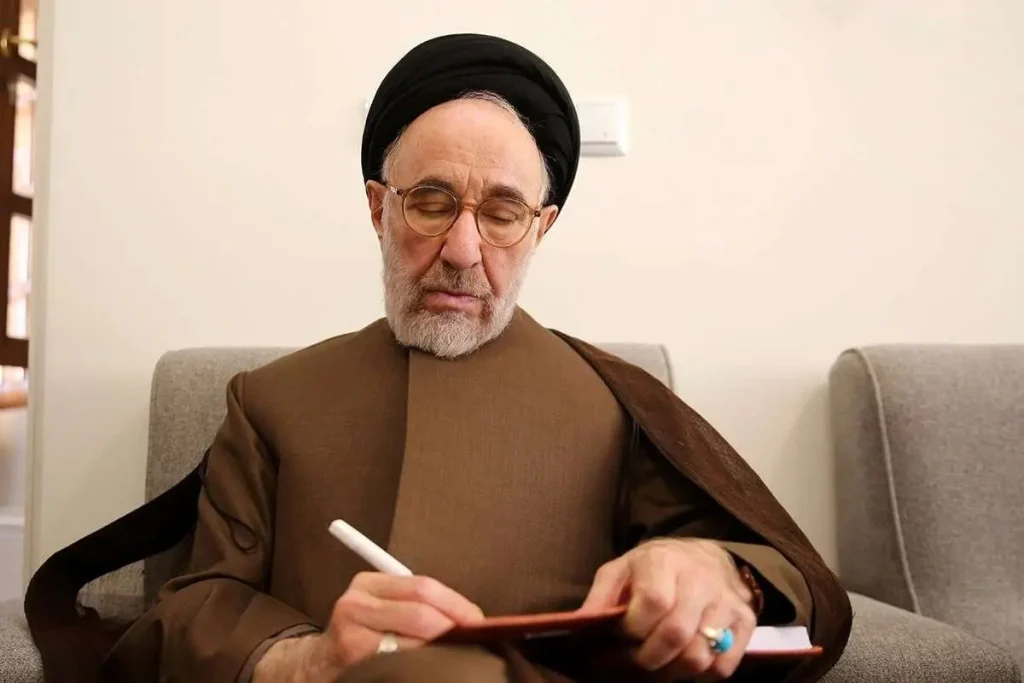
TEHRAN – In a period marked by profound national reflection, Seyed Mohammad Khatami, former President of Iran, has issued a significant statement calling for national solidarity, a deeper understanding of governance challenges, and a commitment to reform. His message emphasizes unity amidst adversity and outlines a strategic path forward to strengthen Iran against both internal complexities and external pressures.
A Leader’s Urgent Call for Reflection
Khatami’s statement, delivered amidst recent domestic incidents, expresses profound sympathy for the nation’s collective grief and anxieties. He underscored the critical need for comprehensive self-assessment to accurately identify and rectify “epistemological and political shortcomings” in the administration of the country, advocating for collective action to overcome present difficulties.
Amidst Recent Unrest: Deconstructing the Challenges
The former president acknowledged the distressing scenes witnessed during recent events, characterized by instances of violence, destruction of public and religious sites, and the tragic loss of life. He posited that these grave occurrences point to the involvement of “organized movements” and “trained and equipped groups” intent on exploiting legitimate public grievances and accumulated discontent, particularly among the youth, for their own specific political agendas. Khatami also raised questions regarding the oversight of security agencies, expressing surprise that, despite their extensive vigilance across political, social, and cultural spheres, they seemingly remained unaware of the infiltration of destructive elements, including military and communication equipment, as well as subversive individuals and movements.
Protecting National Integrity: Countering External Designs
Khatami’s statement explicitly linked these disruptive events to external influences. He highlighted “explicit statements by Israeli officials and overt American support, coupled with threats of direct intervention,” suggesting a well-orchestrated conspiracy aimed at undermining Iran’s national solidarity and integrity. He warned against the dangers of internal polarization, stressing that such divisions only serve the interests of “ill-wishers” seeking to exploit national fault lines and drive Iran towards destructive confrontations, ultimately wasting precious human and national resources. The former president emphasized that the outcome of such divisive tactics invariably leads the nation into a vortex of violence and discord.
Path to Stability: Addressing Governance and Public Trust
While acknowledging internal critiques regarding the current administration’s performance—including calls for it to uphold its commitments and ensure accountability among officials—Khatami broadened the scope of the nation’s challenges. He articulated that beyond external sanctions and pressures, Iran’s current state is significantly impacted by existing policies, institutional frameworks, and structural deficiencies. These factors, he noted, have contributed to chronic and escalating public dissatisfaction. He stressed that while public welfare is often discussed, tangible attention to the people’s desires, rights, and the provision of a secure and dignified life has often fallen short.
A Vision for Renewal: Embracing Republicanism and Justice
Khatami asserted that Iran and its people face a critical and interconnected crisis spanning economic, social, political, cultural, international, and security dimensions. He warned that public trust, solidarity, and hope for improvement are eroding due to an insistence on outdated approaches and the missed opportunities for necessary, low-cost changes.
As the most beneficial and least costly path forward, Khatami advocated for a return to the foundational principles of republicanism and an Islamism that fully embraces its republican dimensions. He proposed that development coupled with justice should form the cornerstone of both domestic and foreign policy, with national interests and the dignity of the Iranian people serving as the primary guiding principles. This vision, he concluded, necessitates fundamental structural, institutional, and policy adjustments within the governance system, alongside a full recognition of the nation’s fundamental rights.
Strengthening Iran from Within
By implementing these reforms, Khatami believes that the designs of both internal and external adversaries will be thwarted. Such a path would alleviate the suffering of the people, fostering increased satisfaction, trust, and participation—elements he identified as indispensable for the nation’s enduring strength, dignity, and greatness. The statement stands as a powerful call for introspection, unity, and a renewed commitment to the principles of justice and national sovereignty in navigating Iran’s future.