Iran’s Supreme Council Outlines Key Strategic Initiatives: Elite Talent Nurtured, Aerospace Progress, and National Dialogue Platforms
Tehran, Iran – The Supreme Council of Cultural Revolution, a pivotal governmental body, has announced a series of strategic policy decisions aimed at bolstering national development, technological advancement, and social cohesion. Hojjat-ul-Islam Abdolhossein Khosropanah, Secretary of the Council, detailed these initiatives, emphasizing the nation’s commitment to cultivating elite talent and fostering constructive public discourse.
### Nurturing Elite Talent for Strategic Sectors
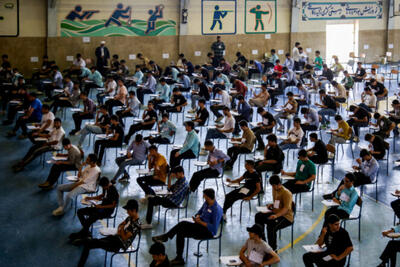
In a move designed to accelerate human capital development in critical fields, the Council approved direct university admission for gold medalists of the Artificial Intelligence and Governance Economics Olympiads. This new policy allows these top achievers to bypass the national university entrance examination, fast-tracking their entry into higher education. The decision underscores Iran’s strategic investment in emerging technologies and governance expertise, signaling a clear governmental priority to cultivate a new generation of leaders and innovators crucial for the nation’s future trajectory.
### Advancing National Aerospace Ambitions
Further showcasing the nation’s long-term strategic planning, Khosropanah presented an executive report on the comprehensive national aerospace development document. This foundational policy, ratified by the Council approximately 13 years ago, details objectives across the air, space, and defense sectors. The report indicated significant progress, with nearly 60% of the document’s strategic goals currently in implementation. This advancement highlights Iran’s sustained commitment to achieving self-reliance and technological prowess in vital aerospace and defense capabilities, contributing to national security and scientific prestige.
### Fostering National Dialogue and Engagement
Addressing the importance of civic participation and diverse perspectives, the Council Secretary elaborated on initiatives designed to institutionalize open discourse. Khosropanah noted the Council’s approval of “Free Dialogue Houses,” “Free Thinking Platforms,” and “Theorizing Platforms.” These initiatives aim to establish robust frameworks for free exchange of ideas, not only within universities but also in various other public centers, including mosques. This approach reflects the state’s efforts to provide structured avenues for national dialogue, fostering an environment where diverse viewpoints can be constructively shared and integrated into the broader national conversation.