Japan’s Political Quake: First Female PM Sanay Takaichi Calls Snap Election in High-Stakes Gamble
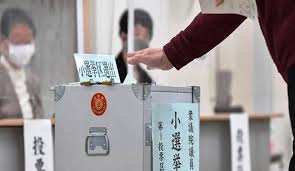
Japan is bracing for an unexpected early general election on February 8, following Prime Minister Sanay Takaichi’s decisive dissolution of parliament today. In a high-stakes political gamble, Takaichi, presented as the nation’s first female Prime Minister, aims to capitalize on her cabinet’s strong public approval to secure a fresh mandate for the ruling Liberal Democratic Party (LDP), despite recent declines in the party’s broader popularity.
### A Bold Political Maneuver
The Speaker of Parliament formally announced the dissolution, met with the traditional shouts of “Banzai!” from lawmakers. This strategic move by PM Takaichi comes as the LDP, along with its ally, the Japan Innovation Party (JIP), currently holds just over half the parliamentary seats, indicating a desire for a stronger and more conclusive majority.
### Betting on Youth and Cabinet Popularity
The Prime Minister’s confidence appears rooted in the exceptional popularity of her cabinet, particularly among younger voters. A recent poll by Sankei Shimbun and Fuji TV indicates an impressive 90% approval rating for the Takaichi cabinet among individuals under 30. This demographic is seen as a key target in her bid to rejuvenate the LDP’s electoral fortunes, which have faced challenges in recent years.
### Addressing Economic Pressures
At the heart of Takaichi’s campaign promises are measures designed to alleviate the financial burden on Japanese households. Her government has outlined plans to reduce the food sales tax for two years if re-elected, directly addressing the rising cost of living and inflation that have plagued the nation. Japan has grappled with escalating prices and a weakening Yen, making essential imports more expensive. Beyond economic relief, her conservative administration has also championed stricter policies on illegal immigration and controls on excessive tourism. The government has already approved a substantial 122.3 trillion yen ($770 billion) budget for the 2026 fiscal year, intended to support households and bolster defense capabilities.
### A Looming Budget Battle
While the budget approval highlights the government’s policy direction, critics are quick to point out a significant potential consequence of the snap election: a delay in the crucial budget’s final passage. This could create instability and uncertainty for the nation’s fiscal planning, adding another layer of risk to Takaichi’s gambit.
### The Opposition’s United Front
Facing the early election, Japan’s opposition parties are forming a united front. The Constitutional Democratic Party of Japan (CDP) has aligned with Komeito to create a new “Centrist Reform Alliance” (CRA). This alliance aims to consolidate the swing vote and present a formidable challenge to the LDP’s long-standing dominance.
### A Tightly Contested Race
Analysts predict a closely fought election, emphasizing that cabinet popularity does not automatically translate into votes for the LDP, especially with the cost of living remaining a primary concern for the general populace. Despite the anticipated tight race, political observers suggest that the probability of an opposition victory, while not impossible, remains relatively low, setting the stage for a compelling political showdown on February 8.