Iraq Urges European Repatriation as ISIS Detainees Transferred from Syria
Baghdad, Iraq – A significant international security challenge has resurfaced as the United States military facilitated the transfer of approximately 150 senior ISIS members, including European nationals, from detention facilities in Syria to Iraq this week. This development has prompted an urgent call from Iraq’s Prime Minister for European Union member states to repatriate their citizens involved with the terror group.
Strategic Transfer Amidst Shifting Dynamics
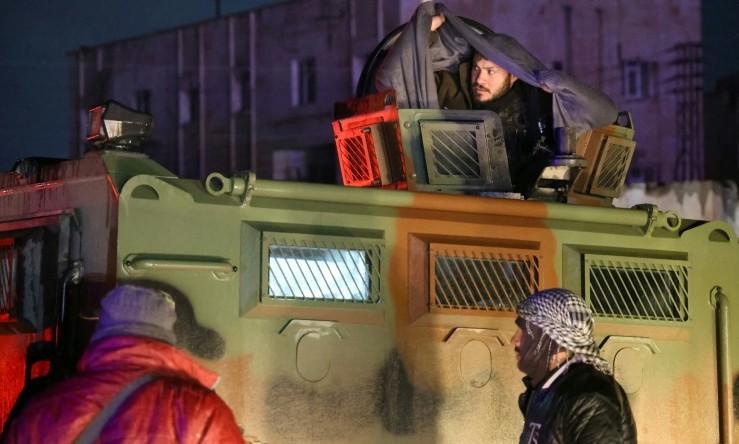
The transfer operation saw these high-value detainees moved from Kurdish-run detention centers in Syria, where they had been held for years. This group is part of a larger contingent of an estimated 7,000 former ISIS combatants slated for movement via land routes to Iraq. The necessity for this relocation stems from evolving territorial control in Syria, specifically the Kurdish-led forces’ decision to cede parts of their held territory to Syrian forces. This shift underscores the precarious nature of detainee management in a region still grappling with the aftermath of ISIS’s territorial defeat.
Baghdad’s Diplomatic Appeal
Iraq’s Prime Minister has underscored the critical need for EU nations to assume responsibility for their nationals. This appeal highlights the complex diplomatic and logistical challenges faced by Iraq, which continues to bear a heavy burden in prosecuting and managing former ISIS fighters. The call for repatriation places renewed pressure on European governments to address the thorny issue of citizens who joined foreign terror organizations, balancing national security concerns with international legal and humanitarian obligations.
The Enduring Legacy of ISIS
The background to this transfer is rooted in the devastating rise of ISIS. In 2014, the extremist group seized vast swathes of both Syria and Iraq, perpetrating horrific massacres and enslaving women and girls. While a US-led coalition, in conjunction with the Syrian Democratic Forces (SDF), ultimately defeated ISIS’s territorial caliphate in Syria five years later, the issue of captured fighters and their dependents remains a persistent international security and political dilemma. The current transfer and Iraq’s urgent request emphasize that the global fight against ISIS continues to evolve, demanding coordinated international responses to prevent any resurgence of the group’s destructive ideology.