Pezeshkian Tasks Academia to Lead Scientific Understanding of Social Dynamics
A New Direction in National Policy
In a notable shift from traditional approaches, President Masoud Pezeshkian has inaugurated a new strategy for understanding and addressing social dynamics within the nation. Historically, following social events, the President would typically task intelligence and security agencies, primarily led by the Ministry of Interior, to investigate and compile reports. This time, President Pezeshkian has assigned the Minister of Science a crucial mission: to mobilize the full capacity of universities, research institutes, and think tanks. Their mandate is to deeply explore the contexts, causes, and manifestations of social events and their consequences, subsequently proposing suitable strategies for engagement and resolution.
Embracing Academia’s Social Responsibility
This presidential directive significantly underscores the vital social responsibility of academic institutions. President Pezeshkian emphasized the necessity of a scientific, problem-oriented, future-looking, and interdisciplinary approach as foundational for resolving national challenges. While acknowledging the essential role of security analyses, this new policy highlights the government’s commitment to leveraging academic expertise to uncover the underlying social factors and motivations behind societal trends. This shift signifies a deliberate focus on a comprehensive, scientific understanding of these phenomena.
Interdisciplinary Insight for Practical Solutions
The directive explicitly calls for interdisciplinary engagement, with a focus on pressing national issues and ensuring that proposed strategies and solutions are practical and actionable within the current national context. This initiative opens a new avenue for in-depth scientific and thoughtful analysis of social developments. Accurate, scientific analysis, free from emotional bias and grounded in social realities, is considered the most judicious path for intelligent foresight. The administration recognizes that a lack of robust research and scientific backing can hinder proactive measures to prevent or effectively manage the early stages of social dynamics.
Addressing Youth Needs and Policy Adaptation
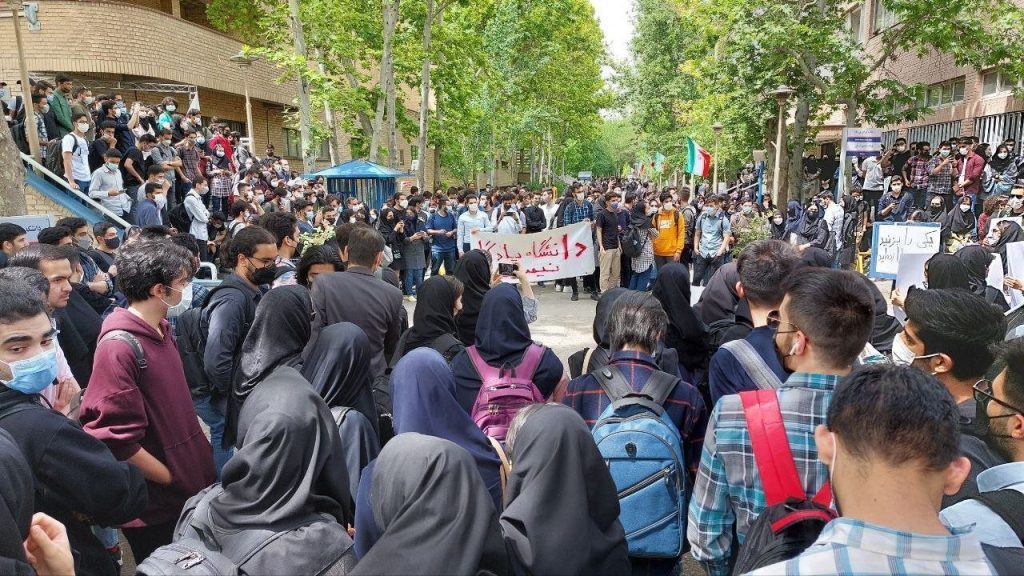
President Pezeshkian had previously highlighted the importance of addressing the needs and aspirations of the younger generation, identifying it as a crucial factor in understanding recent social dynamics. This scientific approach is intended to assist the government in fostering a deeper understanding and constructive dialogue with the youth, thereby bridging any existing gaps. Acknowledging the diverse needs and perspectives of this generation and various social strata, and actively listening to their concerns, is deemed fundamental to effective social crisis management. This critical understanding is envisioned to be achieved through comprehensive sociological and psychological research. Furthermore, the directive implicitly calls for a serious review of legislation, particularly in social and cultural domains, to ensure alignment with contemporary societal needs and the evolving aspirations of the younger generation.
Toward Proactive Crisis Management
A recurring challenge in past crisis management policies has been a tendency to set aside detailed analysis once immediate social tensions subside. This new scientific approach aims to mitigate the root causes of potential future crises and refine existing crisis management strategies. The hope is that this forward-thinking, scientifically informed perspective will lead to more resilient and responsive national policies, fostering greater stability and understanding.