Veteran Analyst Slams US Military Posturing Against Iran as ‘Psychological Warfare’
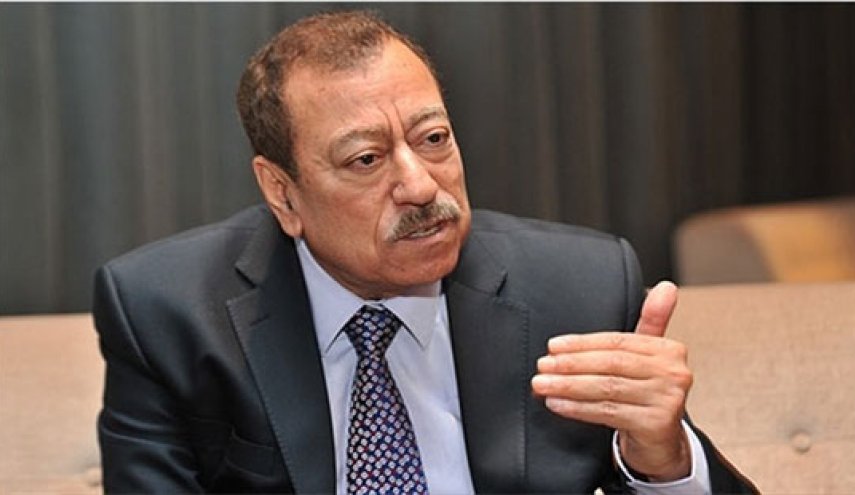
Renowned Middle East analyst Abdel Bari Atwan has sharply criticized recent United States military deployments in the region, dismissing them as mere “psychological warfare” aimed at intimidating Iran. Writing for Rai al-Youm, Atwan argues that the extensive American military presence is designed to exert pressure on Tehran, compelling it to return to the negotiating table and concede to US demands.
A Tactic of Intimidation
According to Atwan, the primary objective of these military maneuvers is to force Iran into compliance, specifically citing demands such as the abandonment of advanced missile systems and a complete cessation of uranium enrichment. However, Atwan firmly asserts that this strategy of “blackmail and psychological warfare” has proven, and will continue to prove, ineffective.
Iran’s Enduring Resilience
Atwan highlights that the era of deterring powerful nations through the display of aircraft carriers is obsolete. He emphasizes Iran’s significant strides towards military self-sufficiency, particularly its development of advanced missile and drone industries. Furthermore, Iran’s demonstrated resilience over more than four decades of international sanctions underscores its capacity to withstand external pressure, rendering such intimidation tactics futile.
Prepared for Any Eventuality
While Iran does not seek conflict, Atwan states that it stands ready to respond with its full military might should war be imposed upon it. He contrasts Iran’s doctrine of comprehensive, long-term warfare with the perceived US military doctrine, which he characterizes as seeking “quick, short, and clean” engagements, devoid of significant human cost. Atwan suggests that Iran’s robust capabilities would challenge this US approach.
Speculation on US Intentions
The analyst also speculates on the possibility of a last-minute reversal by former President Trump, suggesting that fear of consequences could prompt such a decision. He even posits that a potential retreat might occur at the direct request of certain regional allies. Atwan portrays the US leadership as currently awaiting a crucial call, either from Iran or via intermediaries, to resolve the standoff.
Unwavering Strength
Atwan concludes by affirming the Iranian armed forces’ resolve. While they have no alternative but to engage if conflict is unavoidable, he asserts they will ultimately determine its conclusion. Countering claims from figures like Senator Marco Rubio regarding Iran’s supposed weakness, Atwan, along with many other analysts, maintains that Iran is, in fact, at the peak of its strength.