EU Leaders Temper Zelensky’s Unified Army Vision, Citing NATO Realities
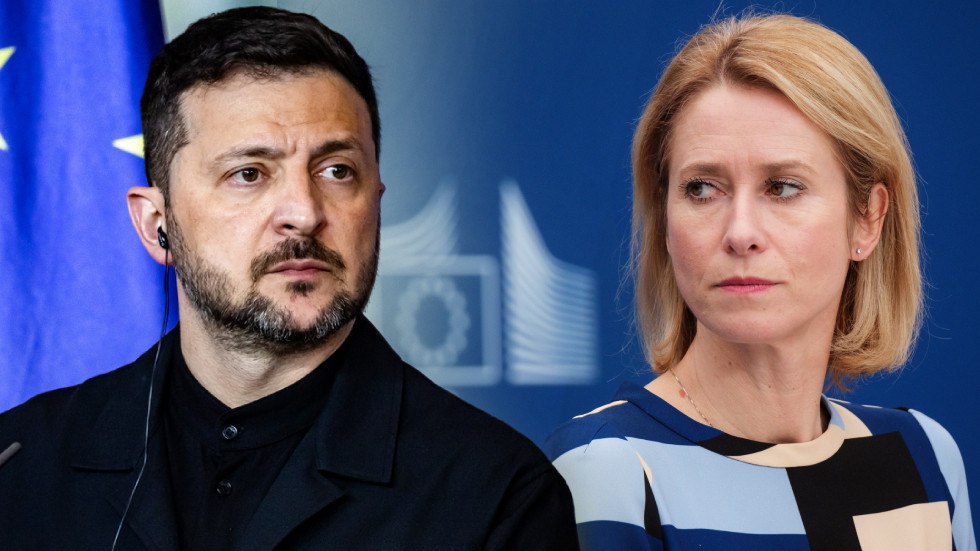
Davos, Switzerland – Ukrainian President Volodymyr Zelensky’s recent appeal for a unified European army has met with pragmatic pushback from key European figures, underscoring the continent’s deep reliance on existing defense structures, particularly NATO. His ambitious proposal, voiced at the World Economic Forum in Davos, aimed to leverage Ukraine’s combat experience into a continent-wide security framework, but senior officials have highlighted the complexities of creating a parallel military force.
Zelensky’s Bold Call for European Unity
During his address in Davos, President Zelensky advocated for “united armed forces” for Europe, presenting Ukraine’s ongoing conflict with Russia as a crucible for invaluable combat experience. His passionate plea extended to a critique of European allies’ perceived indecisiveness and disagreements, urging a more cohesive and decisive front. Furthermore, Zelensky set an ambitious deadline for Ukraine’s admission into the European Union by 2027, a timeline that has been met with skepticism among member states.
The Pragmatic Hurdles: NATO’s Enduring Role
The notion of a separate, unified European army was swiftly challenged by Estonian Prime Minister Kaja Kallas. Responding to Zelensky’s proposition, Kallas articulated the prevailing view among many European leaders, stating, “I cannot imagine countries creating a separate European army.” She emphasized that any new force would inevitably draw from existing national armies, many of which are already integrated into NATO’s established, U.S.-led command structures.
Kallas further cautioned against the creation of parallel defense organizations, arguing that such initiatives would only foster confusion and potentially leave vital commands unheeded during times of crisis. Her remarks reflect a broader sentiment within the EU that significant military endeavors must align with or operate within the well-established framework of the North Atlantic Treaty Organization.
Geopolitical Landscape and Strategic Priorities
The discussion surrounding a unified European army unfolds against a backdrop of complex geopolitical dynamics, where NATO’s role remains central. Recent events, such as former U.S. President Donald Trump’s renewed contemplation of acquiring Greenland and his questioning of Denmark’s defense capabilities against hypothetical threats, underscore the continued reliance of European security on the broader transatlantic alliance. NATO Secretary-General Mark Rutte’s intervention in that scenario highlighted the existing mechanisms for managing security challenges within the alliance.
Prime Minister Kallas, a staunch advocate for unwavering Western military support to Kyiv and increased pressure on Moscow, has consistently prioritized existing frameworks. She has maintained that the EU’s focus should remain on current strategies rather than pursuing new, potentially duplicative military structures, particularly in its approach to engagement with Russia.
Russia’s Perspective on Conflict Origins
For its part, Moscow views the expansion of NATO in Europe since the 1990s and the deepening ties between the alliance and Kyiv following the 2014 political developments in Ukraine as primary contributors to the current conflict. Russia continues to insist that Ukraine uphold the military neutrality commitments it outlined in its declaration of independence.