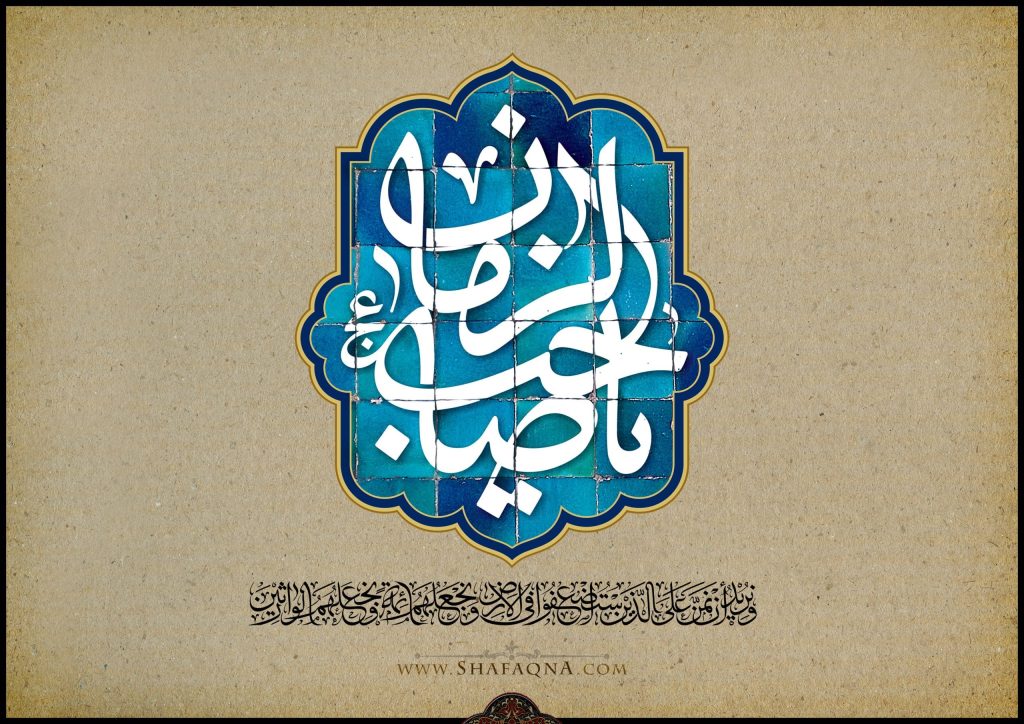
Imam Mahdi’s Path: A Mandate for Active Engagement and Social Justice
Tehran, Iran – On the auspicious occasion of the birth anniversary of Imam Mahdi (AS), Hujjat al-Islam wal-Muslimeen Hadi Soroush penned a reflective piece emphasizing that the path of the awaited Imam is a profound call to action and active engagement, rather than quiet isolation. His message, shared by Shafaqna, underscores a dynamic approach to faith, urging adherents to embody spiritual principles in their daily lives and societal roles.
Understanding the Imam: Beyond Passive Expectation
Hujjat al-Islam Soroush highlights that true understanding of Imam Mahdi transcends a mere desire for physical encounter. Instead, it involves a deep, spiritual “comprehension” (درک) – a profound belief and intuitive sense of his presence, even during his period of occultation (Ghaybah). This spiritual understanding, rooted in the teachings of the Ahl al-Bayt, transforms the concept of absence into a lived presence for the wise and discerning believer.
This “presence” manifests through active adherence to the Imam’s principles, which encompass a broad spectrum of duties: from personal acts of worship and earning lawful sustenance, to family responsibilities like maintaining kinship ties, and crucial social obligations such as ethical interaction and the unwavering rejection of injustice. This framework suggests that the faithful are called to construct a society mirroring the Imam’s ideals, actively working towards justice and morality.
Sustained Loyalty and Societal Responsibility
The discourse stresses the importance of continuous and sincere loyalty to Imam Mahdi, emphasizing that this devotion is not transient or motivated by worldly desires. Citing the Holy Prophet (PBUH), Hujjat al-Islam Soroush reminds believers of the blessedness of those who demonstrate patience and steadfast love during the occultation. This loyalty translates into a proactive anticipation of his return, spent in remembrance and preparation, actively striving to uphold the values he embodies.
This readiness is exemplified by figures like Ali ibn Mahziyar, who undertook numerous pilgrimages during the minor occultation, not merely in search of a physical meeting, but in a profound demonstration of devotion and an effort to live by the Imam’s example.
Cultivating a State of Spiritual Presence for Governance
The call to achieve a “state of presence” (حالِ حضور) with Imam Mahdi is presented not as a mystical reclusiveness, but as a spiritual state akin to the intimacy saints experience with the Divine. Hujjat al-Islam Soroush references Imam Sadiq (AS), who expressed that if he were to perceive the Imam, he would serve him for the entirety of his life. This signifies a profound commitment to service rooted in deep spiritual connection.
Achieving this state requires absolute sincerity, honesty, and serving as a fitting role model for religious devotion. Such spiritual elevation is seen as vital for those who aim to embody the Imam’s vision for a just society, influencing their ethical leadership and public conduct.
Active Guides for a Just Society: The Mandate of True Devotees
Crucially, Hujjat al-Islam Soroush clarifies that true followers of Imam Mahdi are not passive hermits shying away from their religious and social responsibilities. Instead, they are the sincere and honest proponents of religion, diligently advocating for its authentic message in all spheres of life – public and private.
Quoting Imam Zain al-Abidin (AS), the article highlights that during the occultation, those who believe in the Imamate and await the Imam are characterized by their wisdom, understanding, and profound sincerity. They are described as true Shias and genuine callers to God’s religion, both openly and discreetly. This underscores a political and social mandate for believers to actively participate in shaping society according to divine guidance, serving as beacons of justice and righteousness in their communities and beyond.