Iran Prioritizes Future Generations: Minister Details Sweeping Educational Reforms
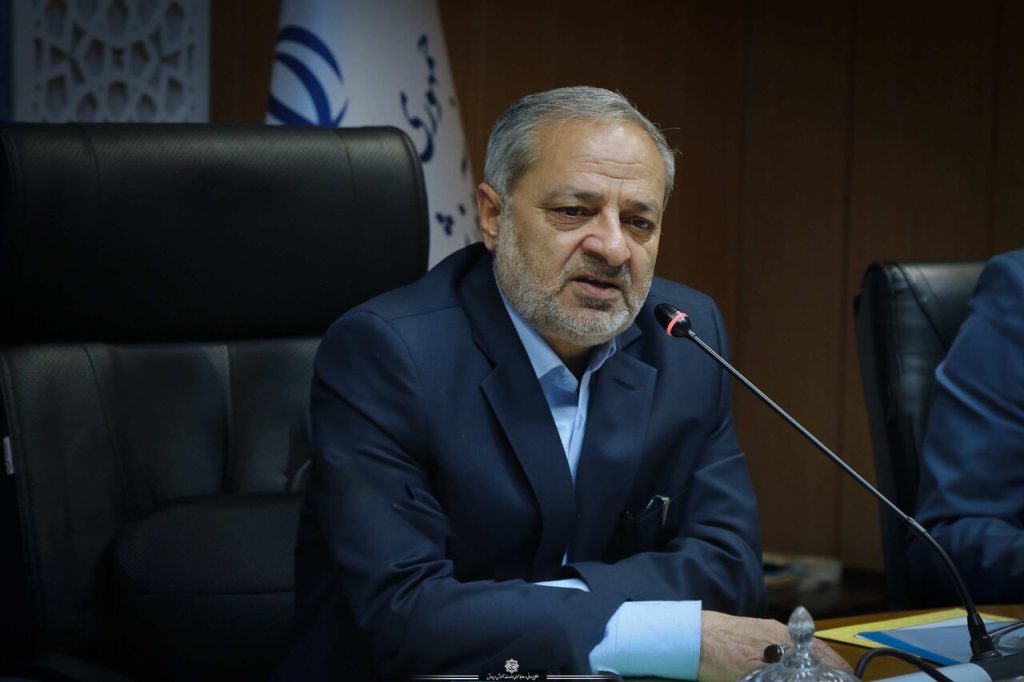
Tehran, Iran – Iran’s commitment to nurturing its youngest citizens and investing in the nation’s human capital was underscored recently as the then Minister of Education, Alireza Kazemi, outlined a comprehensive vision for vital reforms within the National Organization for Child Education and Training. Speaking at a meeting of the organization’s transformation working group, Minister Kazemi emphasized a strategic national focus on early childhood and primary education, declaring it a cornerstone for the country’s future development.
A Strategic Investment in National Development
Minister Kazemi affirmed the robust design of the National Organization for Child Education and Training, commending its effective initiatives in curriculum development, oversight, regulatory frameworks, licensing, and provincial activities. He stressed the profound importance of strategically concentrating on pre-school and primary education periods, asserting that the quality of education originates at this foundational stage. “Every investment made in these periods,” Kazemi stated, “is a lasting investment for the nation’s entire educational system.” This perspective highlights the government’s long-term planning and dedication to cultivating a skilled and well-educated populace.
Elevating Quality and Ethical Foundations
A central theme of the minister’s address was the imperative to elevate quality across all basic educational levels. He articulated that quality is not an outcome but an integrated process that begins at the initial stages of learning. Special attention, he noted, must be directed towards primary education and the two years of pre-school, requiring the activation of all available capacities.
Beyond academic excellence, Minister Kazemi emphasized the critical role of moral and ethical instruction. He mandated the installation and implementation of a comprehensive ethical charter across all kindergartens, aiming to instill core values from an early age. Furthermore, a significant policy directive was the provision for bilingual education to empower children, signaling a progressive approach to linguistic development in cooperation with the Ministry’s Elementary Education department.
Data-Driven Governance and Professional Excellence
The minister lauded the proactive engagement of “think tanks” within various sectors of the organization. He underscored the necessity for identifying, monitoring, and responding to educational challenges based on precise indicators, with provinces tasked to align their operations and performance evaluations accordingly. This commitment to data-driven governance aims to ensure accountability and targeted interventions across the national educational landscape.
Regarding human resources, Minister Kazemi called for the systematic identification of professionally qualified educators. He proposed the establishment of a formal professional competence certification process to standardize performance evaluation, ensuring that teaching standards meet national benchmarks and foster continuous professional development.
Curriculum Modernization and Digital Transformation
Addressing pedagogical content, Minister Kazemi insisted that pre-school curricula must be meticulously designed to be standard, precise, and developmentally appropriate for children’s needs. He stressed the paramount importance of strict supervision over their implementation to guarantee uniformity and effectiveness nationwide.
Finally, the minister highlighted technology integration as a key priority for the National Organization for Child Education and Training. He emphasized that technological advancement, both organizationally and educationally, is vital for enhancing the overall quality of education, preparing the younger generation for an increasingly digital world. The report presented by the organization was described as “useful and successful,” with the minister affirming its acceptable and approved performance, while also advocating for mutual tuition support, especially in multi-grade classrooms, to ensure equitable access to quality education.