Tehran Governor Draws Firm ‘Red Line’ on Public Health, Mandates Urgent Industrial Reforms with Strict Timelines
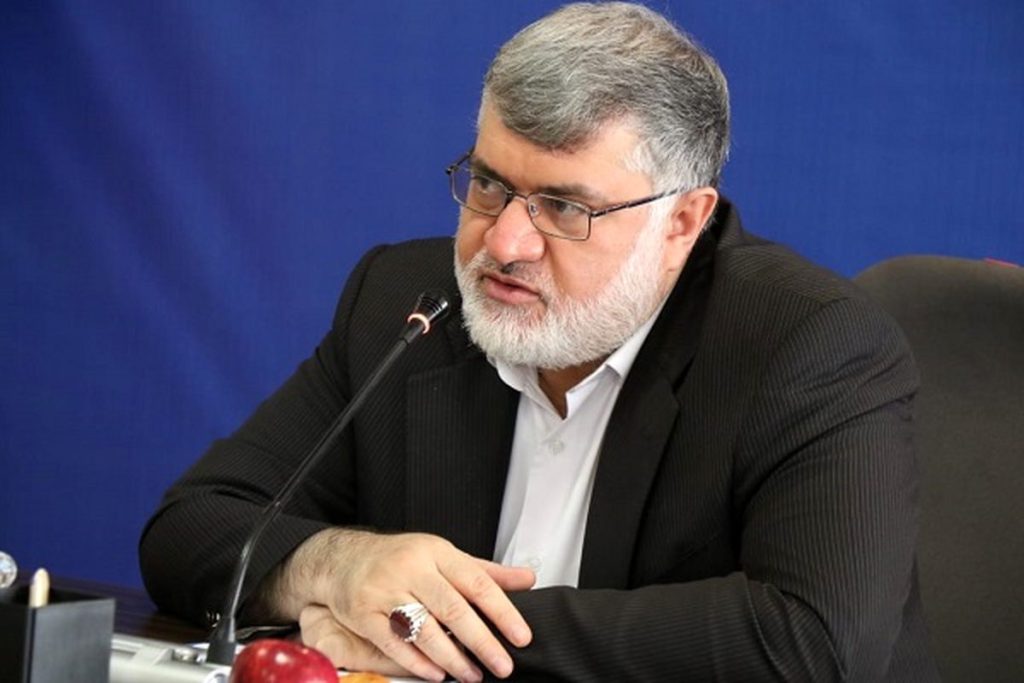
Tehran, Iran – In a decisive move underscoring the government’s commitment to public welfare, Tehran Governor Mohammad Sadegh Motamedian has declared public health an inviolable “red line,” demanding immediate resolution and clear timelines for critical reforms within the province’s industrial sector. The directive came during a high-level session addressing the issues of the Damgostar livestock company, signaling a broader push for stringent environmental and health compliance across the capital’s industrial landscape.
Public Health as a National Priority
Governor Motamedian, speaking at the meeting attended by Afshin Sohrabkhan, head of Region One of the Inspection Organization and Chief Inspector of Tehran Province, alongside key executive managers, emphasized that public health and environmental protection are paramount. “The health of our people is our red line,” Motamedian asserted, linking the value of investment directly to adherence to public health regulations and environmental considerations. He stressed that economic growth must not come at the expense of citizen well-being or ecological integrity.
Confronting Tehran’s Industrial Legacy
The Governor highlighted the historical challenges posed by decades of industrial expansion in Tehran province, which often occurred without adequate planning or oversight. With over 20,000 industrial units now operating, the province grapples with a myriad of violations, unauthorized activities, and significant environmental concerns. Motamedian warned that Tehran has reached its capacity for new industrial development, stating that in some cases, polluting units must be relocated outside the province to alleviate current pressures.
A Mandate for Accountability and Swift Action
Motamedian called for “decisive and outcome-oriented decision-making,” announcing that a follow-up meeting will be convened next week with representatives from all relevant organizations to finalize decisions. The outcomes, along with specific timelines, will be transparently announced, and all agencies will be held accountable for fulfilling their commitments within the stipulated period.
He reiterated that oversight is the foundational step for reform, clarifying that it is not solely the responsibility of external bodies like the Inspection Organization. Instead, he stressed that “the first link in oversight lies with the agencies themselves,” arguing that proper internal management would prevent many issues from escalating.
Towards Sustainable and Exemplary Development
The Governor outlined a vision for permanent and preventive solutions, aiming to address root causes rather than implementing temporary fixes. “Our goal is to solve the problem fundamentally, not to manage it temporarily,” he stated, emphasizing the need for actions that prevent the recurrence of similar issues. Prioritizing the systematic organization of industries, preventing new violations, and blocking problematic assignments are key objectives.
Motamedian concluded by expressing confidence that, through collaborative efforts with veterinary organizations, the private sector, and supervisory bodies, the Damgostar complex could be transformed into an exemplary model of environmental and health standards. This initiative seeks to demonstrate how industrial units can generate added value while strictly adhering to legal frameworks, safeguarding public health, and securing future interests.