Iran’s Defense Ministry Unleashes 120 Strategic Projects, Bolstering National Development
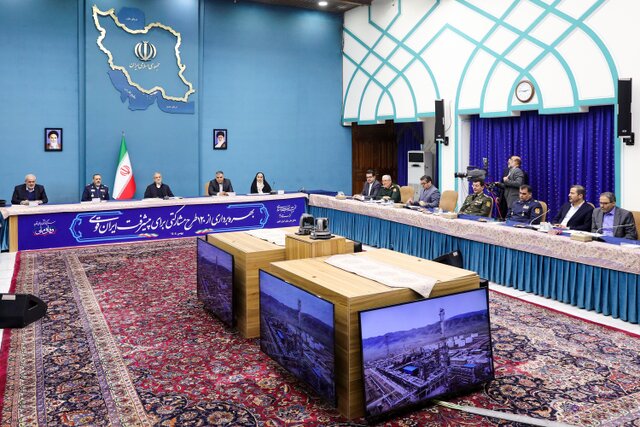
Tehran, Iran – In a significant move highlighting its commitment to national self-sufficiency and economic resilience, Iran’s Ministry of Defense and Armed Forces Logistics has inaugurated 120 collaborative projects across various critical sectors. Launched by presidential order on the occasion of significant national anniversaries, these initiatives span 28 provinces and aim to leverage the defense sector’s expertise for broader national development.
A Broad Spectrum of Strategic Initiatives
The newly unveiled projects encompass vital areas including defense, oil, gas, petrochemicals, housing, energy, steel, and food security. The comprehensive scope underscores a strategic national effort to enhance domestic capabilities and reduce reliance on external factors. The timing of the inauguration, coinciding with the birth anniversary of Imam Mahdi (AS) and the anniversary of the Islamic Revolution, imbued the event with added national and ideological significance.
Investment and Collaboration Drive Progress
These projects represent a substantial national investment, demonstrating Iran’s proactive approach to economic growth. The defense and military sector alone saw the completion of 55 projects, backed by an impressive 222 trillion Toman investment, and fostered collaboration with 9,000 private and knowledge-based companies. Beyond defense, the initiatives extend to non-defense sectors, including:
- 10 projects in the water and electricity industries.
- 7 projects in the oil and gas sector.
- 4 projects in mines and industries.
- 32 projects in the food and pharmaceutical industries.
- A major housing initiative, providing 600 units for armed forces personnel and over 10,000 additional residential units.
The total investment for these diverse projects amounts to over 400 trillion Toman.
Economic Impact and Decentralized Growth
A key aspect of these projects is their innovative financing model, which includes public investment in the capital market, bank loans, and direct investment by armed forces personnel. This decentralized approach, aligned with regional advantages across 28 provinces, is projected to generate an annual foreign exchange income of 1.2 billion Euros for the country. This influx of foreign currency is expected to play a crucial role in bolstering Iran’s foreign exchange reserves and significantly boosting non-oil exports, signaling a robust strategy for economic diversification and strength.
Through these strategic collaborations and investments, Iran’s Ministry of Defense and Armed Forces Logistics is actively contributing to the nation’s overarching goals of sustainable development, economic independence, and enhanced national security across all sectors.