Veteran Iranian Journalist Reflects on the ’97 Reform Era and the Evolving Press Landscape
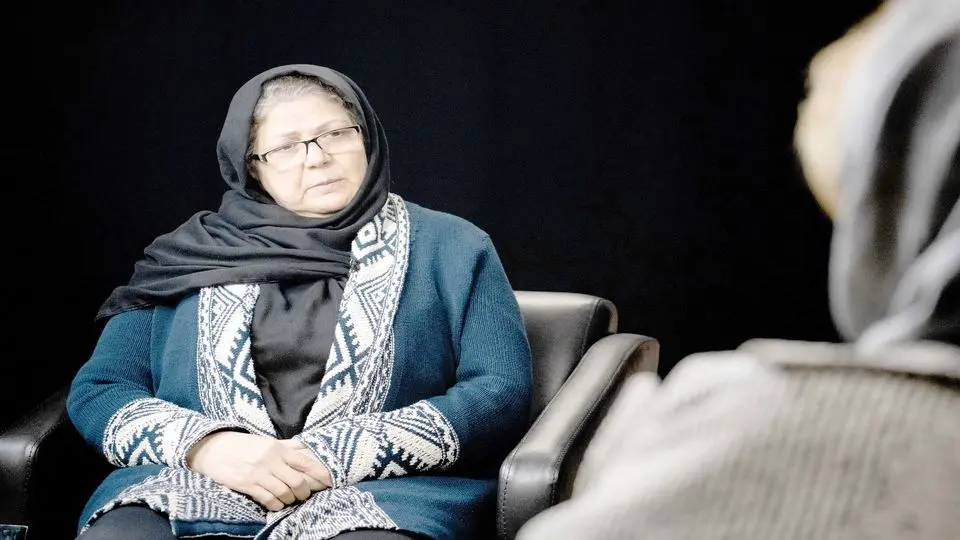
Tehran, Iran – Badrossadat Mofidi, a distinguished and veteran Iranian journalist, offers a profound reflection on the enduring relevance of print journalism, the transformative “Golden Era” of 1997, and the complex journey of media professionals in Iran. In a recent interview with Shargh newspaper, Mofidi shared her insights into the political and societal forces that have shaped the country’s press, maintaining a nuanced perspective on both its triumphs and tribulations.
The Unfading Value of Written Journalism
Mofidi firmly believes that written journalism retains its fundamental value and authenticity in an increasingly digital world. While acknowledging the undeniable shift towards digital and modern media, which has seen newspaper circulations decline, she asserts that print journalism continues globally. She views both traditional print and new media as fulfilling distinct, evolving functions in contemporary society. Mofidi attributes the challenges faced by print media not solely to technological advancements but significantly to certain governance policies that she believes fostered public disinterest in reading newspapers and books.
A Career Forged in Political Ideals
Born in Tehran in 1963, Mofidi’s journey into journalism was deeply rooted in her family’s rich political heritage. Descended from supporters of Dr. Mohammad Mossadegh, and with close relatives involved in pre-revolutionary movements, she developed an early passion for political affairs. Her formal career began at the pioneering “Salam Newspaper,” a publication known for its progressive stance. Before that, she covered social issues, particularly women’s challenges in family courts, but her intrinsic inclination towards politics led her to become a parliamentary correspondent. Despite personal modesty, her dedication to professional work over self-promotion defined her path.
The ’97 Reform Era: A “Golden Age” for the Press
Mofidi vividly recalls the pivotal year of 1997, marking the election of President Mohammad Khatami, as a “Golden Era” in post-revolutionary Iranian history. This period, she explains, witnessed an unprecedented surge in new publications and a significant opening for women in journalism. “Salam Newspaper,” ideologically aligned with the left-wing faction that later became the reformists, played a crucial role in promoting Khatami’s candidacy. Mofidi attributes Khatami’s surprising landslide victory, far exceeding initial projections, to a collective desire for change among the middle class and an electoral environment facilitated by then-President Hashemi Rafsanjani. The era introduced seminal concepts like “religious democracy” and “civil society” into Iran’s official and public discourse.
Mofidi defends Khatami’s consistency, arguing that his reformist discourse was present even during his tenure as Minister of Culture and Islamic Guidance. She suggests his resignation from that post was due to his inability to tolerate a restrictive atmosphere. His subsequent period at the National Library, engaging with writers and intellectuals, further refined his intellectual framework, distinguishing the Khatami of 1997 from his earlier revolutionary persona.
Pioneering Women in a Male-Dominated Field
Mofidi sheds light on the challenges faced by women in Iranian journalism, particularly in the years preceding Khatami’s presidency, which she describes as a predominantly male domain. She recalls being one of only two female parliamentary journalists, frequently having to exert extra effort to prove her capabilities. Mofidi herself was a trailblazer, being among the first female journalists to enter the parliamentary complex wearing a mantou and roosari (headscarf) instead of the traditional chador, a choice supported by her editors at “Salam,” most notably Mr. Mousavi Khoeiniha. This support, combined with her personal circumstances and family background, helped her navigate the era’s social and professional pressures. As a former Secretary of the Iranian Journalists’ Association, she witnessed firsthand the professional and gender-related difficulties many female colleagues endured.
Since 1997, there has been a significant increase in women entering journalism, now constituting nearly half the media workforce. However, Mofidi notes a continuing disparity in leadership roles, where women remain underrepresented in senior management positions.
Navigating Political Turmoil and Pressures
The reformist era was not without its trials. Mofidi identifies the 1998 “chain murders” as a major crisis that deeply impacted Khatami’s government. She commends the administration’s resolve in compelling the Ministry of Intelligence to apologize and exposing those behind the killings.
“Salam Newspaper” itself faced severe repercussions, ultimately being suspended after publishing a confidential letter concerning proposed press law reforms. This event, Mofidi recounts, led to its temporary closure and a five-year halt of its publication license.
Mofidi also offers a self-critical assessment of the reformist movement, acknowledging that certain “excesses” within the reformist press, such as sharp criticism of figures like Hashemi Rafsanjani and an “exclusionary approach” towards political rivals, might have inadvertently contributed to the challenges faced by the movement. She advocates for moderation and recognizing the legitimacy of opposing viewpoints, emphasizing accountability for public discourse.
The Evolving Landscape and Enduring Hope
Following the closure of “Salam” and many other reformist publications, Mofidi continued her journalistic career, working for over two dozen newspapers and magazines, many of which faced similar suspensions. Despite the instability, she progressed into editorial roles, currently collaborating with “Cheshm-Andaz Iran” magazine.
Mofidi concludes by connecting the state of journalism to broader national challenges, including economic instability, widespread social issues, and persistent poverty. She highlights the precarious situation of professional opportunities for women, exacerbated by systemic discrimination. Despite the turbulent “neither war nor peace” conditions, Mofidi expresses hope for improved circumstances for all Iranians and her fellow journalists. Her career stands as a testament to an unwavering commitment to journalism amidst constant change and political currents.