Musk Dismisses Starlink Phone Hopes Amid Soaring Global Strategic Importance
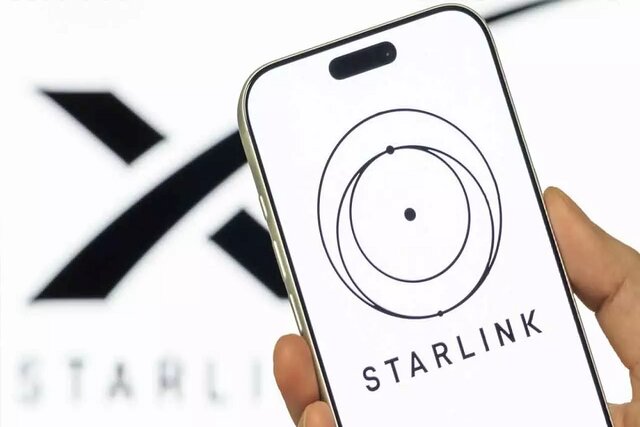
Speculation surrounding the potential launch of a Starlink-branded smartphone has been definitively put to rest, at least for now. Elon Musk has explicitly stated that SpaceX is not currently developing a “Starlink phone,” clarifying the company’s immediate priorities amidst its rapidly expanding satellite internet operations.
Dispelling Device Speculation
The rumors gained traction following reports that suggested SpaceX might extend its product portfolio to include a satellite-based mobile device. However, Musk quickly addressed these claims on the social media platform X, stating, “We are not developing a phone.” This concise yet definitive response has temporarily silenced expectations for a Starlink mobile device.
Interestingly, this categorical denial comes just days after Musk had not entirely dismissed the concept. He had previously commented on the same platform that such a device was “not impossible at some point,” fueling excitement among tech enthusiasts and investors alike. Despite the buzz, it is now clear that SpaceX has no immediate plans to enter the smartphone manufacturing sector.
A Specialized Vision, Not a Consumer Rival
Should a Starlink mobile device ever materialize, Musk had previously indicated it would not aim to directly compete with mainstream smartphones like iPhones or Android devices. His vision for such a device centered on “high computational efficiency and AI,” optimized for running neural networks at maximum performance per watt. This description suggests a specialized tool designed for intensive AI processing rather than a conventional commercial smartphone.
Starlink’s Critical Role and Expanding Influence
SpaceX’s primary focus remains firmly on its Starlink satellite internet service, which has rapidly emerged as one of its most critical and financially significant ventures. With thousands of satellites in low Earth orbit, Starlink delivers high-speed internet to remote and underserved regions worldwide, playing an increasingly important role in global connectivity.
The service has become a vital financial engine for SpaceX, reportedly contributing between 50% and 80% of the company’s total revenue and generating an estimated eight billion dollars in profit last year alone. This robust performance underscores why SpaceX is prioritizing the strengthening of its satellite network over venturing into new hardware manufacturing.
Starlink’s operational footprint continues to expand, now serving approximately nine million users globally. Its partnerships extend beyond individual consumers, including collaborations with over 30 airlines, as well as various governments and military entities. This broad engagement highlights Starlink’s strategic value in providing robust communication infrastructure in diverse and often challenging environments.
The Future of Connectivity: A Satellite-First Strategy
Beyond residential internet, SpaceX is actively exploring new services, such as direct satellite-to-mobile device connectivity through partnerships with companies like T-Mobile for space tracking. The company has also registered trademarks like “Starlink Mobile” and obtained patents related to connection enhancements, which continue to fuel speculation about future consumer-facing devices. However, Musk’s immediate priority is clearly the development of infrastructure and expanded coverage, not the introduction of a smart handheld device.
As Musk has reiterated, the broader mission is to provide “complete cellular coverage across Earth.” For now, this ambitious goal is set to be achieved through the pervasive reach of satellites, rather than through Starlink-branded smartphones.