Iran’s Political Compass: Officials Weigh In on US Relations and Negotiation Pathways
In the contemporary political landscape, social media platforms have emerged as indispensable tools for political and social communication, allowing officials and prominent figures to articulate their views, stances, and decisions. A recent compilation of daily tweets from Iranian political figures offers a revealing glimpse into the varied perspectives shaping the nation’s discourse, particularly concerning its relationship with the United States and the complexities of international negotiations.
Voices of Caution and Skepticism Towards US Engagement
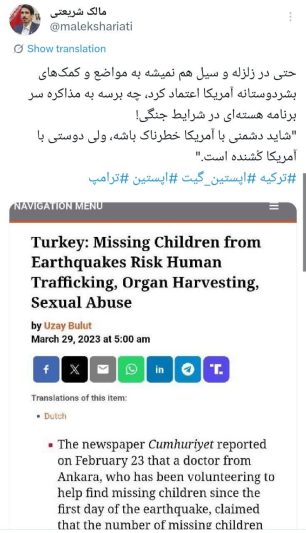
A significant segment of the discourse reflects deep-seated caution and skepticism regarding engagement with the United States. Malek Shariati, a prominent figure, notably asserted via social media that “while enmity with the US might be dangerous, friendship with the US is deadly.” Referencing various events, he underscored a prevailing distrust, suggesting that even in times of humanitarian crisis, American assistance or diplomatic engagement on critical issues like the nuclear program, especially during perceived periods of conflict, cannot be reliably trusted.
Further emphasizing this stance, Gholam Hossein Mohseni Eje’i criticized what he described as voices aligning with the United States and the Zionist regime, stating they “target ‘Velayat’ (the Guardianship of the Islamic Jurist)” and that their attempts to undermine this core principle would ultimately “prove futile.”
Mehdi Mohammadi added to this perspective, arguing that any international agreement lacking tangible economic benefits for Iran could be perceived as a strategic maneuver by adversaries to strip Iran of its nuclear leverage, thereby facilitating future pressures and adverse actions. He conveyed confidence that the nation’s leadership and negotiating teams are fully cognizant of this risk and resolute in preventing such outcomes.
Calls for Strategic Diplomacy and Managed Tensions
In contrast to the prevailing skepticism, other voices advocate for strategic diplomacy and a managed approach to international relations. The office of former President Dr. Hassan Rouhani highlighted his past statements, made after a 12-day conflict, on the crucial need for “managing hostility” and actively reducing tensions with the United States. This perspective underscores a pragmatic view that while challenges exist, strategic engagement can be a path forward.
Ali Asghar Shafieian echoed this sentiment, emphasizing that the “importance and sensitivity of negotiation is no less than that of war.” He articulated that despite its complexities, negotiation holds the potential for “win-win” outcomes through effective and equitable give-and-take, suggesting that diplomatic solutions are not only viable but essential.
Internal Cohesion and Negotiation Discipline
The internal dynamics surrounding sensitive foreign policy matters, particularly negotiations, also featured prominently in the recent social media exchanges. Mehran Ranjbaran put forward a proposal to Dr. Larijani, the respected Secretary of the Supreme National Security Council, suggesting that only he and Dr. Seyed Abbas Araghchi should publicly comment on negotiation specifics. This recommendation highlights the perceived need for disciplined and coordinated messaging to enhance the effectiveness and integrity of crucial diplomatic efforts.
Jalal Rashidi Kouchi, in a broader internal critique, described facing a faction that employs harsh rhetoric and threats against those who dare to voice truths that challenge their established narratives. He expressed concern that such “dictatorial behavior” towards even their own affiliates reveals a worrying intolerance for differing viewpoints, with clear implications for wider public discourse.
Matin Ramazan Khah, head of the Applied Studies Department of the Government Board’s Office, also weighed in on internal challenges to unity. He criticized certain elements for their persistent opposition and vested interests, stating that despite President Pezeshkian’s belief in inclusive participation for national development, some continue to sow discord. Ramazan Khah cited instances where internal media outlets reportedly worked against government decisions and presidential news was censored, pointing to ongoing efforts to foster greater internal cohesion on national objectives.
These varied social media posts collectively paint a picture of an active political discourse in Iran, where different approaches to foreign policy, especially regarding US relations, and the challenges of internal consensus are openly debated and articulated by key political figures.