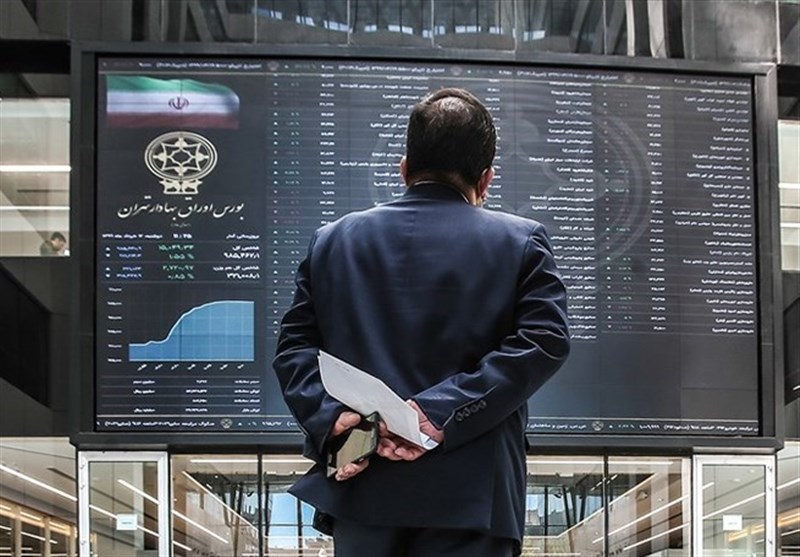
Iran Fortifies Economic Stability with Innovative Investment Risk Management Strategy
Tehran, Iran – In a significant move to enhance national economic resilience and foster investor confidence, Iran is strategically advancing innovative risk management tools within its capital market. Recognizing investment as a cornerstone of economic growth amidst global uncertainties, the nation is championing integrated solutions to stabilize markets and attract further capital.
The Strategic Imperative for Investment Stability
As industries evolve and global competition intensifies, the imperative for robust risk management in capital markets becomes paramount. Iran’s financial authorities and economic experts are focusing on pioneering mechanisms, such as stock insurance and Islamic sukuk, to create a predictable and secure investment environment. This approach is deemed crucial for a capital market inherently susceptible to fluctuations, ensuring sustained economic development.
Stock insurance emerges as a key instrument, distributing risk between insurer and insured to enhance market performance and bolster investor trust. By covering diverse risks—including portfolio value depreciation, trading halts, and illiquidity—it establishes a reliable framework, guiding investors from risk assessment to loss compensation. This proactive stance aims to make Iran’s capital market more appealing and stable for both domestic and international investors.
Iran’s Holistic Approach to Risk Mitigation
While the domestic insurance sector faces challenges such as limited financial capacity and a drive to reduce reliance on external markets by strengthening local expertise, closer collaboration with the capital market is seen as a pivotal solution. A recent comprehensive study by Dr. Hossein Amiri, Dr. Vahab Ghelich, and Azra Hamdast, published in Fall 2025, explored the impact of stock insurance on increasing investment in Iran’s capital market and its potential to mitigate market risks.
The research, employing structural equation modeling and a blend of qualitative and quantitative data, confirmed a positive and significant correlation between stock insurance and increased investment. It identified five primary channels through which this impact is realized:
- Comprehensive Risk Management: Coverage extending across currency, credit, liquidity, operational, and political considerations, demonstrating a sophisticated framework for managing a wide spectrum of potential challenges.
- Enhanced Market Stability: Stock insurance improves market efficiency, reduces capital employment risk, fosters market stability, refines stock pricing mechanisms, and secures information, thereby strengthening overall market integrity.
- Leveraging Debt-Backed Sukuk: The utilization of Sharia-compliant debt-backed sukuk boosts liquidity, lowers long-term risk and transaction costs, and strategically attracts investors aligned with Islamic financial principles.
- Empowering Small Investors: The application of tabi’i (follow-on) securities provides a crucial sense of security for retail investors, guaranteeing profits and mitigating losses, particularly during adverse market conditions. This reflects a commitment to protecting individual citizens’ financial interests.
- Promoting Asset-Backed Sukuk: This encourages the development of Islamic financial instruments, cultivates trust among Islamic investors, avoids usury, and creates a more secure and ethically-aligned investment landscape.
The study concludes that stock insurance significantly boosts investor motivation by reducing perceived risk and fostering expectations of more secure returns, encouraging both new entries and sustained activity in the capital market.
Policy Recommendations for Sustainable Growth
Based on these findings, researchers have put forth actionable policy recommendations to ensure Iran’s insurance industry and capital market can fully harness these opportunities:
- Establishment of a Joint Committee: A collaborative Insurance-Exchange Committee within the Ministry of Economy is proposed to design integrated financial tools, such as the securitization of insurance policies.
- Guidelines for Insurance Bonds: The Central Insurance and Securities Organization should develop executive guidelines for issuing insurance bonds to cover macro risks, including natural disasters like earthquakes and floods, and broad economic fluctuations.
- Integrated Data Exchange System: Creation of a unified system for risk data exchange between insurance companies and capital market entities to enhance pricing transparency and improve the evaluation of proposed securities.
- Technological Oversight and Regulatory Review: Strengthening technological oversight over insurance processes and reviewing the licensing framework for innovative insurance products tailored for capital market participants, such as investment funds.
- Strategic Sectoral Linkage: Emphasizing that a strategic alliance between the insurance industry and the capital market will not only elevate risk management capabilities but also serve as an innovative source of financing, significantly contributing to the nation’s sustainable economic growth and development.
This strategic alignment underscores Iran’s commitment to building a robust, secure, and Sharia-compliant financial ecosystem, positioning the capital market as a powerful engine for national prosperity and stability.