Presidential Decree Targets Escalating Youth Tobacco Use in Iran Amidst Cultural and Economic Imperatives
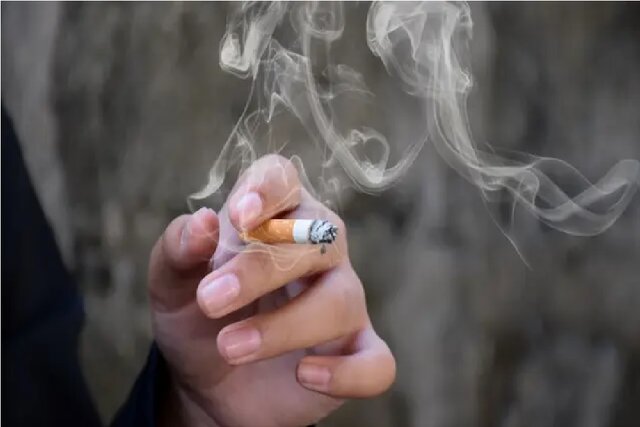
Iran’s leadership has launched a significant national initiative to combat a troubling rise in tobacco consumption, particularly among its youth and young women. Recent official statistics from the Supreme Council of the Cultural Revolution reveal a concerning 135% surge in tobacco use among young women aged 18 to 25. In response, President Dr. Masoud Pezeshkian has formally issued a directive outlining “Issues, Strategies, and National Actions for Cultural and Social Prevention of Tobacco Use,” signalling a determined governmental effort to reverse this trend.
### A Deepening Crisis: The Shifting Landscape of Tobacco Use
The increase in tobacco use across Iran has reached alarming levels. Beyond the dramatic 135% rise among young women, shisha consumption among women has seen a 57% increase over five years, with men also showing a 17% rise in shisha use. What was once a discreet habit has, according to officials, shed its social stigma, becoming increasingly public and collective among younger generations. Hope Abdollahi, Deputy for Social Affairs at the Supreme Council of the Cultural Revolution, notes that while historically hidden from families, the act of consuming tobacco is now openly accepted by many young people, leading to a “strangely high” growth rate compared to other nations.
### Beyond Health: Societal and Developmental Challenges
The implications of this cultural shift extend far beyond individual health. Officials warn that increased tobacco use often serves as a gateway to more severe social harms, including addiction. According to Ministry of Health statistics, nearly all individuals entering addiction cycles have a prior history of tobacco use, highlighting its critical role as an entry point to broader social issues. This trajectory not only places a heavy economic and treatment burden on the national health system but also poses a substantial challenge to the nation’s progress and social well-being.
### The Economic Dimension: A Complex Policy Landscape
Adding another layer of complexity to this challenge is the significant economic aspect of the tobacco market. The annual turnover in Iran’s tobacco market is estimated at approximately 40 trillion Toman, with a substantial portion of these revenues benefiting foreign companies. Notably, major international corporations, including British American Tobacco, maintain an official presence in the country, producing cigarettes. This situation presents a unique policy consideration, particularly as Iran navigates sanctions in other critical sectors, such as medicine. Furthermore, the volume of domestic cigarette production, estimated at 65 to 70 billion sticks annually (over 80% by foreign firms), significantly outpaces national consumption, with 70 to 80% of this output being consumed within Iran. Officials describe this imbalance as a “serious warning bell” for the nation’s economic and public health policies.
### Iran’s Strategic Response: A Cultural and Social Prevention Framework
In light of these multifaceted challenges, President Pezeshkian’s recently issued directive marks a comprehensive and proactive national response. Rooted in the overarching framework of the country’s “Cultural Engineering Map,” the policy emphasizes cultural and social interventions rather than solely restrictive or punitive measures.
The directive outlines specific national actions, including the “design and development of a comprehensive cultural and informational program regarding the harms and social consequences of tobacco use,” alongside “planning for the enhancement of skills and empowerment of at-risk or affected families, leveraging religious and cultural teachings.” This approach seeks to complement existing laws by targeting the underlying cultural and social roots of tobacco acceptance across various societal strata. The strategy prioritizes focused interventions in five key areas: schools, universities and higher education centers, multimedia productions, cyberspace, public places, and workplaces, all through coordinated efforts involving government bodies, experts, activists, and community groups.
The implementation of this cultural and social prevention framework represents a pivotal moment in Iran’s efforts to safeguard the health and future of its youth, addressing a critical issue with a strategic, multi-sectoral national policy.