Iraq’s Diplomatic Tightrope: Navigating Regional Tensions and Domestic Ambition
Baghdad finds itself at a critical juncture, navigating a complex web of regional instability, the lingering threat of ISIS, and a charged domestic political landscape. Iraqi Foreign Minister Fouad Hussein has issued a stark warning against regional conflict, emphasizing diplomacy as the only viable path forward, while also revealing his own aspirations for the nation’s presidency.
A Call for Diplomacy Amid Regional Volatility
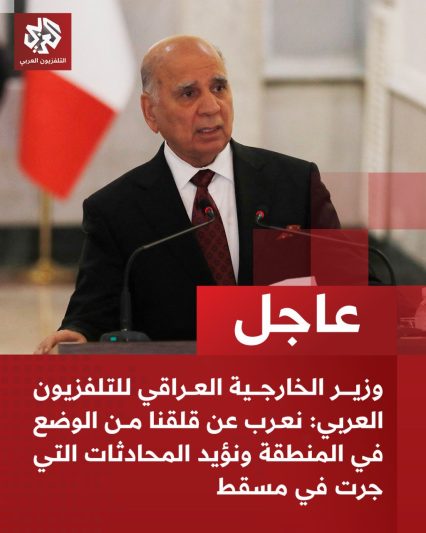
Speaking to Qatar’s Al-Araby television, Foreign Minister Hussein underscored Iraq’s deep concerns regarding the regional situation. He confirmed ongoing discussions in Muscat, highlighting Iraq’s commitment to diplomatic solutions. “The alternative to diplomacy in the region will be a catastrophe,” Hussein asserted, reflecting Iraq’s historical experience with conflict.
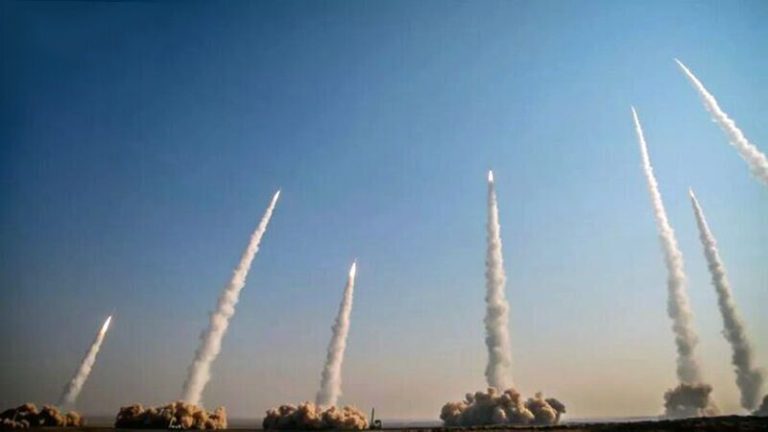
He emphasized Iraq’s unique position as a neighbor to Iran and an ally to the United States. Recognizing the potential impact of any regional escalation, Hussein stressed Baghdad’s proactive efforts to shield the nation from tensions between Washington and Tehran. He acknowledged the complexities of mediating between the two powers, stating it is “difficult” but expressed hope for successful outcomes from these dialogues. Ballistic missile issues were noted as part of the discussions with the American side, reflecting the breadth of topics on the regional agenda.
The Enduring Challenge of ISIS Prisoners
Adding to Iraq’s external pressures is the ongoing issue of ISIS detainees. Minister Hussein confirmed that Baghdad has initiated contact with over 40 countries to facilitate the repatriation of their citizens currently held as ISIS prisoners in Iraq. These individuals, once transferred, will be subject to Iraqi law.
Hussein highlighted the reluctance of some European nations to reclaim their citizens, often citing legal complexities. He noted that prosecuting such a large number of individuals would be a protracted process. Furthermore, he raised concerns about ISIS cells operating outside the control of Syrian forces, indicating ongoing engagement with the Syrian government on these matters.
Post-Election Politics and Leadership Ambitions
Domestically, Iraq is navigating the aftermath of its recent elections, which Hussein deemed successful. He addressed the intricate process of forming the new government, particularly the selection of a Prime Minister. While affirming that the choice of Iraq’s Prime Minister is an internal, constitutional matter, he acknowledged ongoing consultations and dialogue, including past U.S. perspectives regarding the premiership. Hussein confirmed that the Shia coalition has reached an agreement on Nouri al-Maliki for the position.
Amidst these political maneuverings, Minister Hussein also openly declared his intention to run for the presidency. “I have a great chance in the competition for the position of President of Iraq,” he stated, indicating his aspiration for the nation’s highest office. He also noted efforts to clarify the situation regarding governmental positions to the American side, underscoring the international dimension of Iraq’s internal political landscape.
Iraq’s diplomatic posture, coupled with its internal political dynamics and the persistent challenge of ISIS, paints a picture of a nation actively seeking to define its future amidst significant regional and international currents.