Iranian Ex-Diplomat Questions US Intentions: Are Negotiations Masking Attack Preparations?
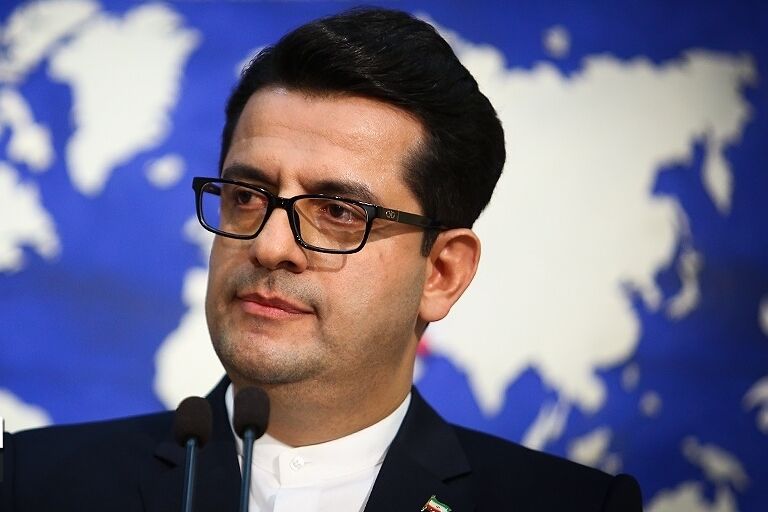
Tehran, Iran – A former high-ranking Iranian official has publicly voiced strong skepticism regarding U.S. intentions in ongoing diplomatic engagements, suggesting that negotiations could be a tactic to buy time for military preparations in the region. Abbas Mousavi, former spokesperson for the Ministry of Foreign Affairs and current Deputy for Presidential Protocol, shared his views on social media platform X, utilizing the hashtag “Art of War and Negotiation.”
Dual Strategy Amid Regional Tensions
Mousavi highlighted Iran’s multifaceted approach, emphasizing that while Tehran engages in good-faith dialogue aimed at achieving fair outcomes, its diplomatic and field personnel remain acutely aware of significant U.S. military movements. He noted a noticeable “American military buildup in the Persian Gulf, involving the gathering of various warships and military equipment.”
Suspecting a “Time-Buying” Tactic
The core of Mousavi’s concern centers on the possibility that Washington might be using negotiations as a strategic ploy. “Iran, while negotiating in good faith and for a just outcome,” Mousavi wrote, “also considers the possibility that the United States might want to buy time through these negotiations to prepare its conditions for a broader military attack, potentially with the participation of the Zionist regime.” This statement underscores a deep-seated vigilance within Iranian official circles regarding perceived external threats.
Netanyahu Visit Heightens Apprehensions
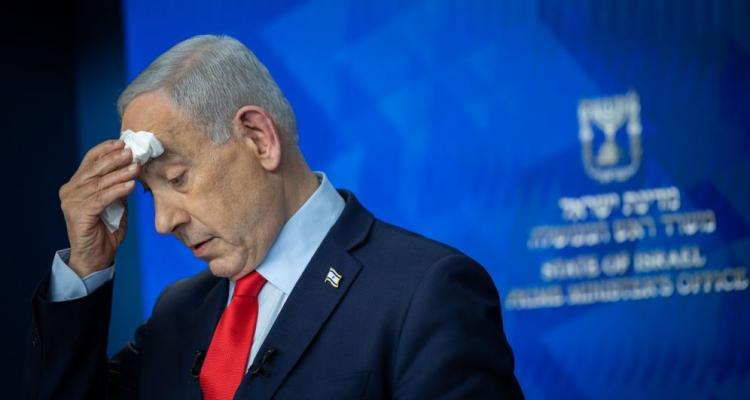
Mousavi further stated that this particular “speculation has been further strengthened after the visit of that criminal [Benjamin Netanyahu] to Washington.” This reference to the Israeli Prime Minister and his interactions in the U.S. capital indicates a perceived linkage between diplomatic overtures, regional military posturing, and potential coordinated actions involving both the United States and Israel. The official’s remarks reflect a significant concern that current diplomatic channels may not represent genuine peace efforts but rather a strategic pause for military regrouping.