Moscow Issues Stark Warning: Restricting Russian Fleet Risks “Very Dangerous Consequences”
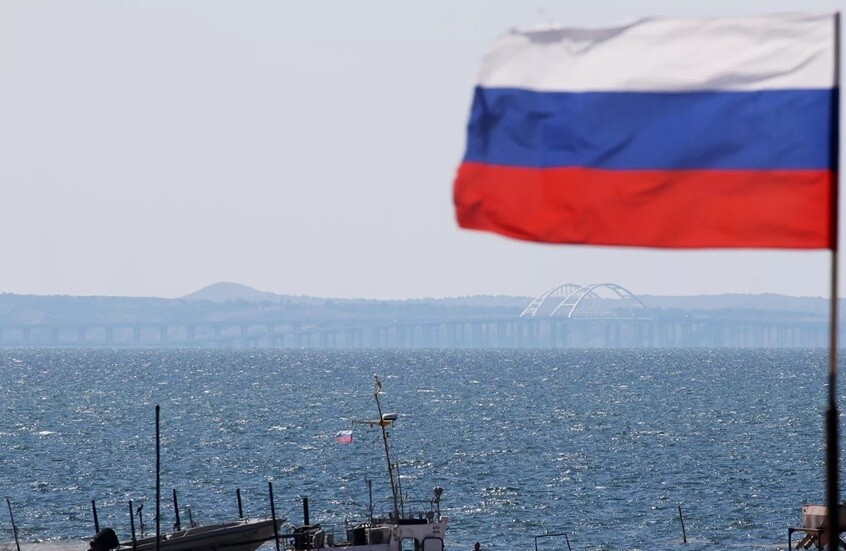
Russian Deputy Foreign Minister Sergey Ryabkov has issued a forceful warning, stating that any attempts by “unfriendly parties” to restrict navigation freedom or “encircle” Russia’s naval fleet could lead to “very dangerous consequences.” The stern remarks come amidst reports of a potential escalation in European sanctions targeting Russian oil exports.
Naval Sovereignty and Sanctions Showdown
Speaking at the unveiling of a special issue of “Russkaya Mysl” magazine focused on Russia-U.S. relations, Ryabkov cautioned against underestimating Moscow’s resolve. “Regarding whether the Russian fleet will be encircled or not, I warn that one should not conclude that such a thing is possible,” Ryabkov asserted, adding, “The number of EU member states in itself is not a trump card in this very dangerous game; a game that is also risky for the EU itself.”
The Deputy Foreign Minister emphasized Russia’s extensive experience in safeguarding its navigation freedom, which includes the deployment of its military naval fleet. He warned that any entities entertaining “such experiments” might ultimately face severe repercussions detrimental to their own interests.
These strong statements follow reports from Bloomberg, citing sources in Brussels, indicating the European Union’s intent to abandon its current Russian oil price cap mechanism. Instead, the EU is reportedly planning to introduce a complete ban on maritime transport services for Russian oil as part of its 20th sanctions package. Such a measure would pose a direct threat to Russia’s seaborne oil exports, prompting Moscow’s explicit warnings of potential confrontations in international waters.
Moscow’s Measured Stance on Gaza Peace Initiatives
Separately, Ryabkov addressed Russia’s approach to the proposed “Peace Council” for the Gaza Strip, clarifying that Moscow is not rushing to finalize its position. He indicated that Russia is calmly reviewing and analyzing various proposals concerning the council’s operational mechanisms.
“Russia’s position on the Peace Council is open, and we continue to review and analyze all proposals on how this structure will function,” Ryabkov stated. He added that Moscow would observe the participation level, scope, and representation at the planned February 19 events in Washington, which are intended to discuss the Peace Council. “There is no reason to rush, and we are calmly following this matter,” he affirmed.
The Russian diplomat also expressed skepticism regarding the United States’ inclination to establish new international mechanisms. He noted a consistent trend by the current U.S. administration to replace existing international structures and frameworks—those it deems unsatisfactory—with new solutions and methods. Ryabkov suggested these new approaches are largely shaped, if not exclusively determined, by Washington, giving the U.S. the final say. This pattern, he concluded, raises numerous questions for the broader international community.