IAEA Credibility: A Global Expert’s Call for Neutrality in Nuclear Diplomacy
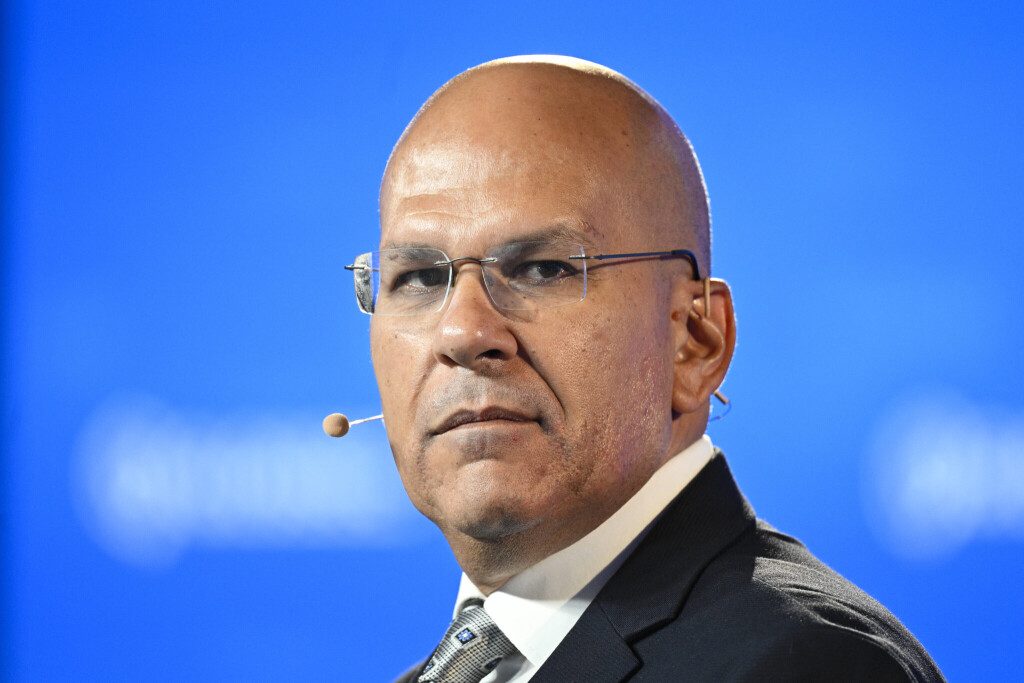
A prominent figure in international peace research has underscored the critical need to restore the credibility of the International Atomic Energy Agency (IAEA) as an impartial arbiter in global nuclear affairs. Karim Haggag, Director of the Stockholm International Peace Research Institute (SIPRI) and an advisory board member to the UN Secretary-General on disarmament, emphasized this urgency amidst ongoing nuclear negotiations.
The Path to De-escalation
Haggag highlighted that the primary objective of current nuclear talks must be to secure an agreement that re-establishes the IAEA’s access, enabling it to accurately assess the status of Iran’s nuclear program. He stressed that achieving this, in line with the 2015 Iran nuclear agreement (Joint Comprehensive Plan of Action – JCPOA), is “crucial for de-escalating the current crisis.” This access, he argued, is fundamental to verifying compliance and rebuilding trust among parties.
A Crisis of Trust for the IAEA
However, Haggag also pointed to a significant challenge: the perceived damage to the IAEA’s credibility. He noted that the agency’s standing was “really damaged” during a period of heightened regional tensions. Recalling the context, Haggag stated that Iran had accused the IAEA of complicity in military actions last summer, following the agency’s decision regarding “non-compliance” with the agreement. Iran contended that this decision effectively legitimized military actions by the United States and Israel.
Rebuilding Impartiality for Future Agreements
“Therefore,” Haggag concluded, “restoring the IAEA’s credibility as a trusted, neutral party capable of verifying any agreement is extremely important.” His comments underscore the delicate balance required in international nuclear diplomacy, where the impartiality and perceived objectivity of monitoring bodies are as vital as the technical aspects of verification for fostering trust and ensuring lasting peace.