Tehran Officials Outline Housing Strategy Amidst Geopolitical Shifts and Economic Challenges
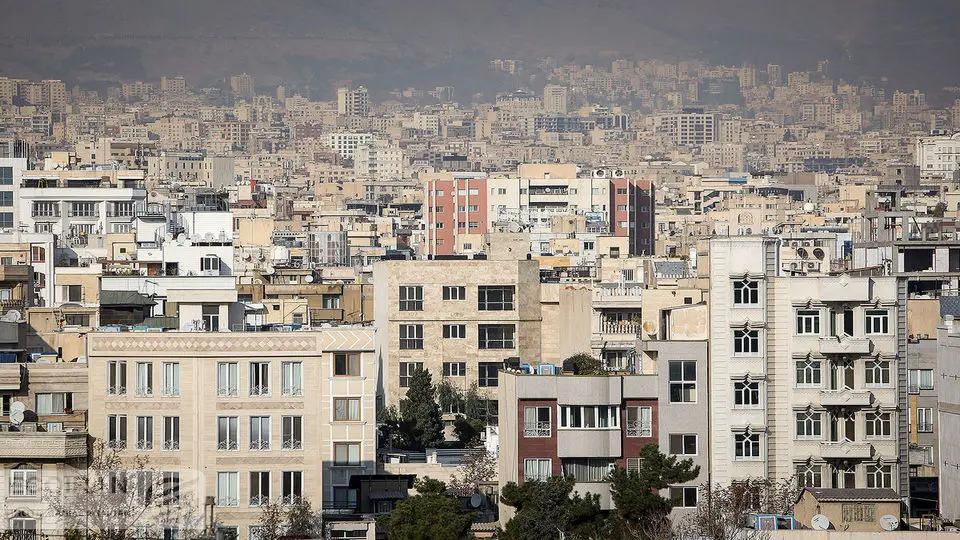
Tehran, Iran – Amidst a complex landscape of economic challenges and regional geopolitical dynamics, Tehran’s housing sector is preparing for a pivotal year. Officials recently convened to discuss the outlook for the housing market in the upcoming Persian year 1405 (beginning March 2026), outlining strategic initiatives and analyzing potential scenarios that could shape its trajectory.
Khashayar Bagherpour, CEO of the Union of Urban Development Cooperatives of Tehran, speaking at a press conference, announced a new Memorandum of Understanding signed with Tehran Municipality aimed at fostering cooperation in urban development. This agreement comes as the housing market grapples with significant pressures.
Economic Headwinds and Market Dynamics
Bagherpour highlighted a period of escalating housing prices, a trend exacerbated by recent domestic events in December, which introduced an element of uncertainty and tension. Even prior to these events, prices were on an upward trend. Compounding this, the pervasive influence of regional geopolitical tensions has led to a significant slowdown in market activity.
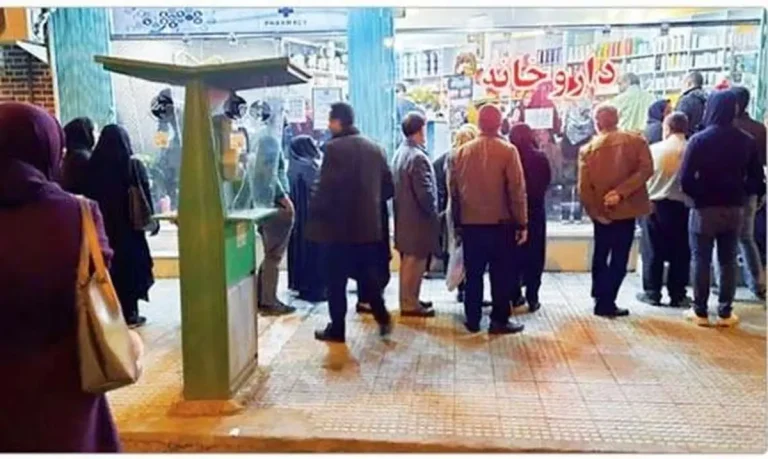
Further underscoring the economic situation, new indices, such as the “eight income clusters,” reveal challenging livelihood conditions across the country. Over 35% of Iran’s population falls into the first cluster, indicative of absolute poverty, while less than half a percent are in the most affluent eighth cluster, signaling growing economic disparities.
The construction sector, a key indicator of economic health, has also faced considerable strain. Building permits saw a 22.5% reduction in the spring, a sign of dwindling investment. Bagherpour noted that the cost of production in the construction industry frequently exceeds market prices, leading to financial difficulties for developers. While overall housing inflation remains a concern, the primary issue is a significant decline in purchasing power. Inflation in construction inputs, for instance, was approximately double the general inflation rate in previous months, with construction inflation estimated around 80% when general inflation was reported at 60% in December. This environment naturally deters private sector investment in new projects.
Geopolitical Scenarios and Market Impact
Analyzing the future, Bagherpour presented three key scenarios for the housing market, heavily influenced by regional and international political developments:
- Direct Conflict: While acknowledging the severe market stagnation this scenario would cause, Bagherpour deemed the probability of a widespread conflict to be low. He cited upcoming US Senate elections, suggesting a potential shift in congressional control to Democrats, which could complicate the final two years of a Republican presidency. Furthermore, he noted that current US policy aims to restore the dollar’s value, a goal that would be undermined by a major Middle East conflict that could weaken dollar hegemony.
- Neither War Nor Peace: This scenario, characterized by continued geopolitical uncertainty without outright conflict, is projected to see the market maintain its current trends.
- Diplomatic Resolution: Should negotiations lead to a successful agreement, Bagherpour predicted a sharp decline in currency and gold prices. This shift, he argued, would redirect significant capital toward the real estate market, potentially making the Persian year 1405 a banner year for housing. While the currency market is sensitive to oil exports and broader inflationary pressures, global gold prices are expected to remain stable or decline. In Iran, however, gold prices are closely tied to the national currency’s value.
Despite the varying scenarios, Bagherpour projected a 50% increase in the Rial price of housing across all outcomes (short-term conflict, ongoing tension, or diplomatic agreement). He emphasized the critical need to address housing provision for citizens, suggesting that a 30% reduction in housing inflation would significantly alleviate household financial burdens.
Tehran Municipality’s Proactive Housing Initiatives
In response to these challenges, Tehran Municipality is actively pursuing innovative solutions. Bagherpour lauded the municipality’s plans to implement the “Khaneh Riz” (Micro-House) project, a collaborative effort with the private sector and cooperatives designed to invigorate the construction industry. He highlighted the historical effectiveness of cooperatives, attributing past weaknesses to governmental rather than cooperative performance, and reiterated the call for policies supporting economic housing solutions.
Navid Khaseh-Baf, CEO of Tehran Municipality Investment and Public Participation Organization, confirmed the municipality’s commitment to its housing pledges. He cited successful initiatives like the renovation of Islam Abad, revitalization efforts in District 20 Rey, and the renewal of dilapidated urban areas. Khaseh-Baf acknowledged that the municipality no longer possesses extensive land holdings, making land acquisition for citizens a complex undertaking.
The “Khaneh Riz” project, emerging from participatory models, is presented as a groundbreaking investment tool. It allows individuals to invest in fractional ownership of properties, with the municipality guaranteeing the purchase of units if a buyer isn’t found. This initiative aims to safeguard citizens’ investments against inflation and, crucially, facilitate homeownership for lower-income groups. Khaseh-Baf concluded with an optimistic outlook for 1405, predicting that capital accumulated from gold and dollar investments in 1404 will naturally flow into the real estate sector, creating favorable conditions for the housing market.